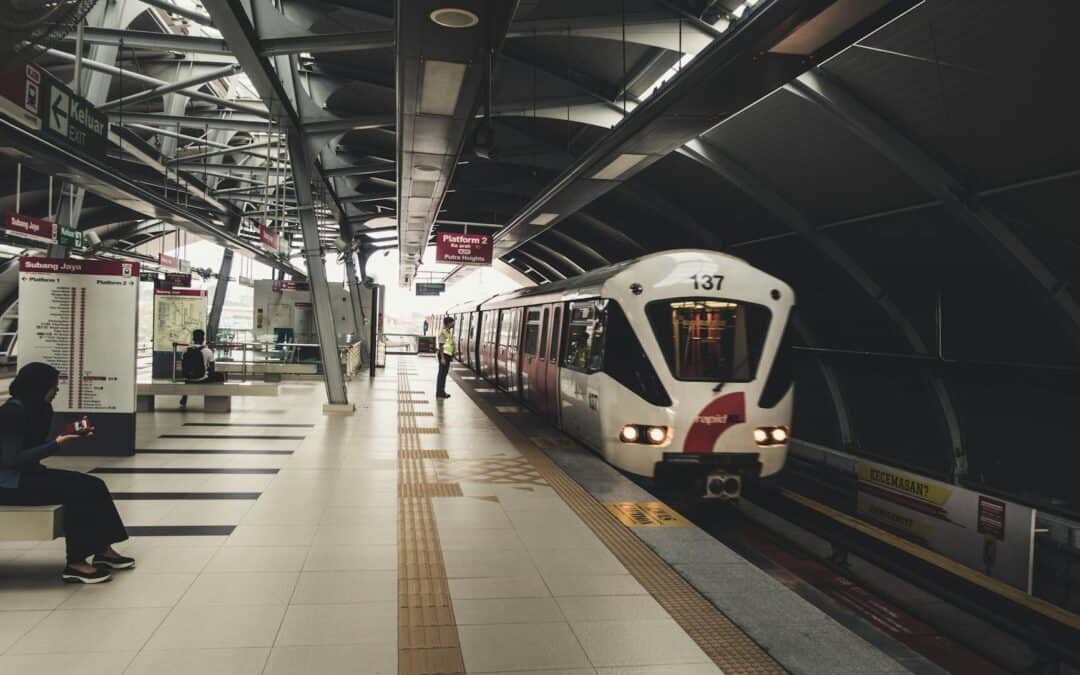
Train stations across Denver are a daily part of life for many commuters, students, and pedestrians. But while these platforms are built to keep people moving, design flaws can turn them into dangerous spaces. Something as small as bad lighting or an uneven surface can create serious problems if left unaddressed. When design issues are ignored, people end up hurt, and those injuries are often preventable.
These accidents don’t always make headlines, but they’re more common than people think. Platforms are meant to be safe waiting areas. When the design doesn’t support that, people can slip, fall, or get caught in a risky situation near fast-moving trains. It’s not always about someone being careless. Sometimes it’s the platform itself that sets the stage for injury.
Common Design Flaws Leading To Injuries
Poorly designed train platforms can quietly create big consequences. When there’s a flaw in the way a platform is built or maintained, it puts every person using it at risk. Most of these hazards are easy to overlook until someone gets hurt.
Here are a few design-related issues that often lead to injuries:
– Poor lighting: Bad or broken lights make it hard to see where you’re stepping. In early fall, days get shorter, and people head home after the sun sets. A dim platform can easily hide uneven pavement or cracks.
– Uneven surfaces: When tiles shift or concrete settles the wrong way, it creates gaps and bumps. This may not sound serious, but it only takes a split second for a foot to catch and result in a hard fall.
– Missing or weak handrails: Safety barriers can stop someone from stepping too close to the tracks. If they’re loose, placed too far apart, or missing entirely, they fail to offer helpful support, especially for older adults, kids, or anyone carrying heavy bags.
Weak platform design affects more than just a person’s safety in the moment. It can also lead to longer-term effects like back pain, joint injuries, or mobility challenges. Sometimes it’s hard to recover from a fall because the body takes longer to heal than expected.
Let’s say someone is rushing to catch the light rail after work and there’s a sudden dip in the concrete near the edge. If the lighting is poor and there’s no railing for balance, that person could fall forward and twist a knee or hit their head. These injuries don’t always end at the ER. They might need physical therapy, time off work, or even support walking again.
People who get hurt on these platforms are often left asking how this happened and what can be done. That’s where real-life incidents help make things clearer.
Specific Incidents Linked To Design Flaws
When platforms are designed or maintained poorly, serious accidents happen. These aren’t just one-off slip-ups. They reveal patterns of risk that could have been minimized or avoided with better planning and oversight.
In one case, a commuter in Denver slipped on water pooling near a slope on the platform edge where the surface didn’t drain properly. Without signs warning of slippery conditions or handrails nearby, she fell hard, injuring her hip and elbow. It turned out that several people had raised concerns about that section, but repairs were delayed for months.
Many of these incidents follow familiar scenarios:
– Someone trips over broken tiles that were never marked as hazardous
– A person with limited mobility tries to steady themselves but finds no railing
– A pedestrian steps into a dark area of the platform during early morning hours and doesn’t see a drop-off
Even though every injury is different, the common thread is this: design oversight puts people in harm’s way. These platforms should offer reliable safety features for everyone using them, whether it’s a senior waiting for a ride to the doctor or a parent pushing a stroller during their commute.
When something goes wrong on public property like a train platform, knowing what to do next can save time, protect your health, and help you build a case if needed. Your rights are shaped not just by what happened, but by who’s responsible for making sure these public spaces are safe. That’s where the legal angle comes in.
Legal Implications Of Platform Design Failures
When injuries happen because of design flaws, the question of legal responsibility rises fast. Under Colorado law, those in charge of designing, building, or maintaining public transit areas have a duty to keep passengers and pedestrians safe from avoidable harm. This includes agencies or companies overseeing trains and stations in Denver.
If a design flaw or maintenance failure caused the hazard, that may be considered negligence. Maybe a contractor didn’t do the job right, or a maintenance team ignored work requests. Either way, the responsible party might be held accountable.
People hurt by unsafe conditions at a station may be able to claim damages for things like:
– Medical costs
– Missed work
– Ongoing pain
– Changes in daily routines
But timing is everything. Colorado law puts strict limits on how long you have to file a claim, and sometimes you need to give notice to a government office before filing. That’s why working with a legal team that understands the ins and outs of city and state rules can make all the difference.
Bringing a case like this often starts with reviewing the facts closely, including how long the issue existed, whether it was reported, and how it caused the injury. All of that is crucial when trying to prove who had the job of keeping the area safe and failed to do so.
Steps To Take If Injured Due To Platform Design Flaws
After a fall or slip on a train platform, staying safe and getting care comes first. Still, a few extra steps can help protect your rights and strengthen your claim if legal action comes later.
Here’s a quick checklist to follow:
1. Get medical help – Let first responders know what happened and where. Even if nothing feels broken, injuries can show up later.
2. Take photos and videos – If it’s safe and possible, grab a picture or short clip of the place you got hurt. Try to show what caused the problem.
3. Talk to witnesses – If anyone saw what happened, ask for names and contact details. Their story could help back yours up.
4. Report the incident – Tell transit staff or a local official. Write down who you talked to and when, and ask if there’s a copy of what was filed.
5. Keep your clothes and shoes – They might show evidence of how the fall happened or how your gear interacted with the surface.
6. Track everything – Save all bills, doctor notes, work absence records, and anything else that shows how the injury affected your life.
Once you’ve taken care of these steps, it’s a good idea to talk to a personal injury attorney who has experience with public transit cases in Colorado. These legal claims aren’t always simple, and someone with the right knowledge can guide you through the process.
Moving Towards Safer Train Platforms
A safer station starts with fixing what’s already wrong. Public agencies, contractors, and operators need to take feedback seriously and stop waiting until something bad happens. Planning ahead should also include local weather problems, especially in colder seasons when ice or puddles bring extra danger.
A few updates that could help make platforms safer for everyone:
– Add strong lighting for early and late travel
– Look for and fix cracked pavement and flooring
– Make sure railings are solid, spaced well, and easy to grip
– Put up clear signs near ramps and drop-offs
– Use surfaces designed to reduce slips
Transit providers won’t stop every single accident, but they can remove many of the common dangers that show up again and again. People rely on these stations to get to work, school, the store, or the doctor. Safety shouldn’t be an afterthought.
At the community level, passengers can step up too. If you see cracked areas, slippery spots, or places missing signs or rails, mention it. Telling the right person might be the first step to getting something fixed before another injury happens.
Staying Safe and Informed on Train Platforms in Denver
People in Denver head to train stations every day, often without a second thought. But platform safety matters and adjusting your habits just a little can make a difference.
Watch your steps, especially in walking areas with poor lighting or surfaces that feel bumpy or uneven. If you’re carrying bags, taking care of kids, or helping someone with mobility constraints, stay close to handrails and steer clear of platform edges. Always take warnings seriously, and if something looks wrong, go with your instinct.
These platforms are meant to connect you to your life, not interrupt it. When the design falls short, the effects can last much longer than a missed train. They can hurt your body, your routine, and your peace of mind.
For those who’ve been injured in a train accident in Denver, you don’t have to go through it alone. There are legal paths that help hold the right people responsible for unsafe spaces. And there are teams ready to help you get the compensation and answers you deserve.
If you or someone you know has been affected by a train accident in Denver, understanding your legal options under Colorado law can help you take the next step forward. At Cave Law, we’re here to support you with seasoned guidance and personalized care tailored to your situation.
Injured? We Can Help.
Get a Free Consultation with Cave Law
No fees unless we win. We serve Aurora, Parker, Denver. Available 24/7.