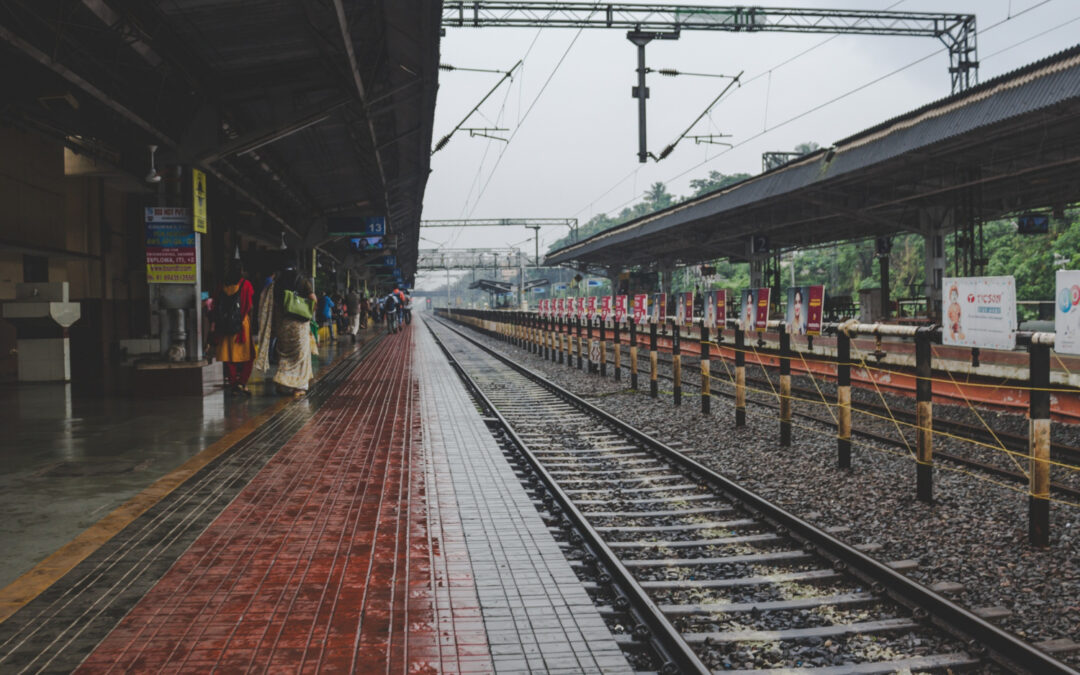
Train stations are supposed to be places of safety and order, but sometimes accidents happen when you least expect them. One of the most common yet often overlooked risks is falling on or near a train platform. A single misstep can lead to fractures, head injuries, or much worse. For anyone using Light Rail or regional trains in Aurora, this is something to take seriously. Safety issues like uneven surfaces, broken guardrails, slick platforms from rain, or poor lighting can turn a simple wait for the next train into something more dangerous than it should be.
Accidents on train platforms aren’t always just bad luck. They can sometimes be traced back to negligence. That’s where railroad company liability enters the conversation. You might not think a company that runs trains could be responsible for your fall, but in many cases, they are. Knowing how liability works—and especially how it applies in Aurora and greater Denver—can make all the difference when you’re trying to protect your rights after a serious injury.
Understanding Railroad Company Liability
When someone falls on a train platform, figuring out who’s at fault isn’t always clear at first. That’s why understanding liability is so important. In simple terms, liability means legal responsibility, and for train platforms, it often comes down to whether the railroad company failed to keep the area safe.
In Aurora and across Colorado, public and private transportation services are legally required to maintain safe conditions for passengers. That includes the surfaces, stairs, railings, lighting, and even signage on a train platform. If a company knowingly ignores cracked sidewalks, a broken step, or poor lighting and someone ends up injured, that could meet the legal definition of negligence. Most companies are expected to conduct routine inspections and fix problems as soon as they appear.
Of course, not every incident leads to liability. For a successful personal injury case, there usually needs to be proof that the railroad company either knew about the hazard or should have known and failed to act. That knowledge—or what’s called constructive knowledge—is often the turning point for a claim.
In places like Aurora and Denver, public transportation is often managed by agencies such as RTD (Regional Transportation District). When a public agency is involved, special legal rules typically come into play, including short deadlines for reporting accidents. Filing a claim against a local or regional authority brings its own steps and restrictions, so understanding how liability applies under Colorado law is key.
Common Causes Of Train Platform Falls
When platforms aren’t maintained properly, they can become accident zones. Falls happen for many reasons, and most are preventable.
Some of the most common causes include:
– Wet surfaces caused by rain, snow, or spilled drinks
– Broken or uneven pavement and loose tiles
– Worn or missing handrails on stairwells and ramps
– Poor lighting, especially after sundown
– Unexpected height gaps between the train and platform
– Unmarked or badly marked construction areas
Picture walking down a poorly lit platform at night. You don’t notice a section of tile that’s cracked and sticking up. You trip, hit the ground, and break your arm. If that cracked tile had been known about and ignored, then that fall could have been prevented. That’s how a simple hazard can turn into a valid injury claim.
Train platform injuries often go beyond bruises. Victims may experience:
– Broken arms, wrists, or legs
– Concussions or other brain injuries
– Serious back or spinal trauma
– Cuts and muscle damage
– Infections stemming from untreated wounds
Beyond the physical pain, these injuries can create other problems. Medical costs start to pile up. Missing work becomes an issue. Some people even suffer anxiety after the fall. When someone else is responsible for those problems, Colorado law gives injured passengers the right to take action.
Steps To Take After A Train Platform Fall
When an accident happens, your body and mind may both go into shock. But what you do next is important. If you’ve been hurt on a train platform in Aurora, there are steps you can take right away to help protect your health and your legal rights.
1. Get medical attention, even if injuries seem minor. Some conditions, like concussions or muscle tears, can take hours or days to show up.
2. Report the fall to the train station staff or a security officer. Ask that an official incident report be written up.
3. Take photos or videos of the scene. Capture any visible hazards, like wet spots or broken tiles.
4. Get names and contact information from witnesses. They can help confirm what happened later.
5. Keep whatever you were wearing, including shoes and clothing. They might help prove your case if it goes to court.
6. Write down everything you remember as soon as you can. Include time, date, weather, what you saw, and how you felt.
These steps can make a big difference later. They help create a detailed picture of the fall, which is important if you decide to talk with a personal injury lawyer in Aurora.
How A Personal Injury Lawyer Can Help
Handling an injury claim on your own is tough. Train platform falls often involve big companies or city agencies. They have their own lawyers and insurance providers who may try to avoid taking blame.
A personal injury lawyer in Aurora can be your advocate. They know what types of evidence help prove a claim and what Colorado’s legal process looks like. If a railroad company overlooked a safety issue, your lawyer can help hold them accountable.
Ways a lawyer can assist you include:
– Explaining how Colorado law applies to your accident
– Reviewing evidence from the scene of the fall
– Consulting medical experts to understand the full effect of your injury
– Filing documents and dealing with agencies like RTD
– Speaking with insurance adjusters so you don’t have to
– Helping pursue payment for medical costs, missed work, and pain
Working with someone who knows how local injury claims function in Aurora can help you feel more secure and informed. It gives you a partner in what may otherwise feel like a very lonely situation.
Staying Safe On Train Platforms
Avoiding injuries should always be the goal. Even when train platforms are supposed to be safe, staying aware of your surroundings can lower the risk.
Keep these tips in mind the next time you’re near a train platform:
– Be mindful of weather. Rain and snow can make surfaces slick.
– Notice any strange areas, like open construction or fenced-off corners.
– Don’t walk near the edge unless the train has stopped and doors are open.
– Hold the railing on ramps or staircases, even if you feel steady.
– If lighting is poor, use your phone flashlight to guide your walk.
– Don’t rush for your train. Accidents usually happen when people are in a hurry.
These habits take little effort but can help avoid bigger problems down the line. Still, even the most careful people get hurt, especially when platforms aren’t kept up the way they should be. That’s when the focus turns back to accountability.
When Safety Slips Through the Cracks
Train platforms might seem like ordinary parts of public travel, but they come with risks that are sometimes neglected by those in charge. In Aurora, keeping these areas safe isn’t optional—it’s a legal requirement for agencies and companies that run the rail system. If that duty is ignored and you end up hurt, you’re not out of luck. You have a right to ask questions and get help.
A serious fall can change your daily life in more ways than one. From physical recovery to emotional stress and financial strain, the effects last longer than the actual fall. Often, the first thing someone needs—after medical care—is legal guidance.
Understanding railroad company liability is one way to take back control after an accident. The law in Aurora is clear about responsibility, and your rights are worth protecting. If someone else’s carelessness led to your injury, the next step forward begins with support from a personal injury lawyer. Acting quickly, gathering details, and getting help can make the road to recovery smoother and less overwhelming.
If you’ve experienced a fall on a train platform and aren’t sure what steps to take next, speaking with a personal injury lawyer who understands Aurora’s legal landscape can make a big difference. At Cave Law, we’re here to help you move forward with clarity and confidence. Let us guide you through your options and work to protect your rights every step of the way.
Injured? We Can Help.
Get a Free Consultation with Cave Law
No fees unless we win. We serve Aurora, Parker, Denver. Available 24/7.