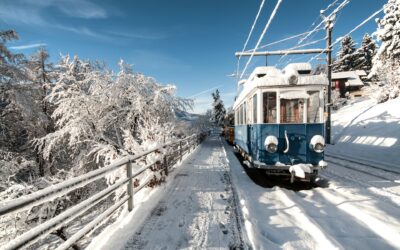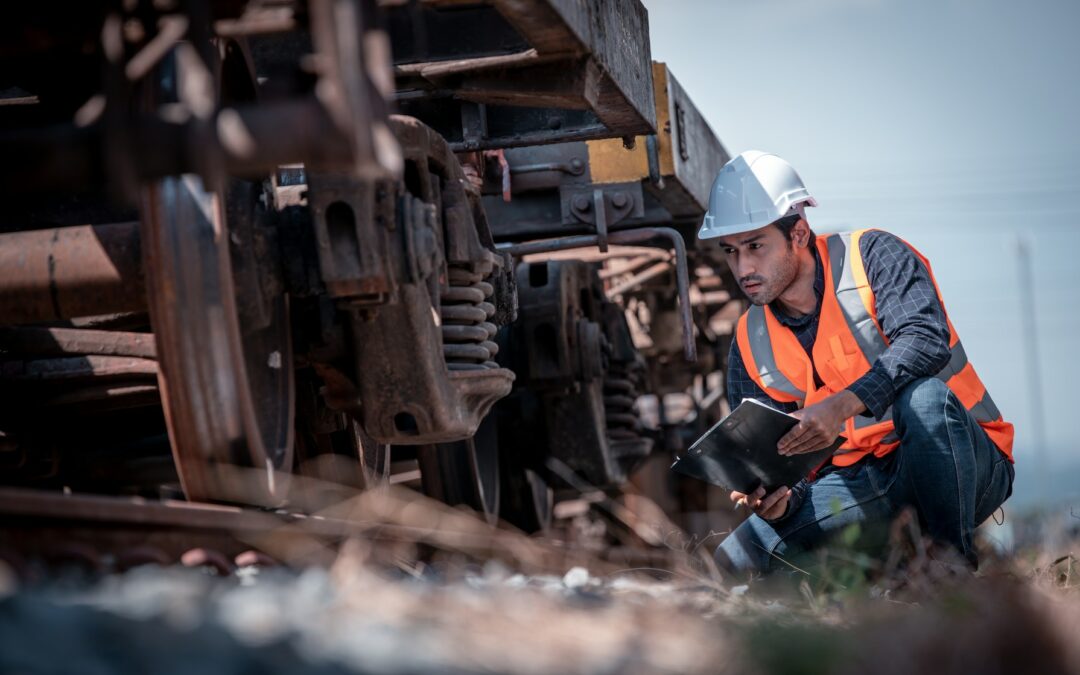
As we say goodbye to 2025 and head into another Colorado winter, it’s a good time for folks in Aurora to stop and think about train safety. Snow and ice, crowded platforms, and longer wait times come with the season. It’s the kind of stuff that makes commuting a little more frustrating and a lot more dangerous if you’re not paying attention. Most people just want to get where they’re going and stay warm doing it, but safety often takes a back seat when things feel routine.
A year-end review is one way to reset and recognize how quickly things can go wrong at a train station or on board. Looking back at the past several months can show us what’s working and what isn’t. Whether you ride regularly or just take the train here and there, being aware of safety risks in winter can help prevent injuries and avoid frustrating or even scary situations. This isn’t just about staying out of trouble. It’s about staying aware and prepared for the stuff that’s most likely to cause problems.
Common Train Safety Risks In Winter
Winters around Aurora are no joke. Ice coats sidewalks, snow builds up overnight, and freezing winds turn a five-minute delay into a miserable wait if you’re outside. For train riders, cold weather changes how stations work and can add new hazards to everyday travel.
Here’s what riders should watch out for during the snowy season:
– Icy or uneven platforms: Fresh snow that isn’t cleared fast enough can melt a little during the day and refreeze once the sun drops. That’s how icy patches show up quickly and catch people off guard.
– Slippery train steps and handrails: Snow and water get tracked inside and even the metal steps can get slick. That makes boarding and exiting more dangerous, especially when things are rushed.
– Crowded indoor stations: When it’s really cold, everyone crowds into heated parts of the station. Slipping, bumping, or even tripping over bags or benches is more common when space is tight.
– Blurry line markings and warnings: Snow buildup can hide visual signs and paint on platforms. This makes it easier to get too close to active tracks or cross lines you shouldn’t.
Even if you know your routine, one overlooked patch of snow or broken heater can change everything. Transit agencies in Aurora are supposed to respond quickly with snow removal, working heat, and updated warnings. But when that response doesn’t happen, serious injuries can result.
Recent Trends And Incident Analysis
This past year, there have been more reports of train-related injuries during colder months. Most of them weren’t dramatic crashes but preventable accidents caused by slips, missed steps, or poor visibility from snow cover. That doesn’t make them any less serious. Some folks end up in the ER with broken bones or head injuries after a fall that could’ve been avoided.
In Aurora, most station areas are managed by regional transit groups. By law, they’re responsible for keeping public spaces reasonably clear and safe. When that slips down the priority list, it shows. In the last year, the patterns we’re seeing include:
– Longer response times for salt and de-icing services on platforms
– Delayed maintenance on train steps and door mechanisms that freeze up
– Inconsistent heating in waiting areas, leaving passengers exposed for longer
– Limited staff presence during cold snaps to help with crowd control
One local example involved a rider in Denver slipping while stepping onto a snow-covered platform. The lighting was poor, and the yellow warning line had vanished under slush. What looked like a typical winter day turned into a painful experience that kept them off work for weeks.
That kind of incident doesn’t just result in physical pain. It brings financial stress, too. And if the upkeep of the train station didn’t meet safety laws, someone could be held responsible. By keeping an eye on trends like these, people in Aurora can stay alert and push for safer travel spaces.
Safety Measures And Precautions For Passengers
If you’re catching the train during the winter months in Aurora, being prepared can make the difference between a smooth ride and a dangerous one. Conditions change fast, especially when snow or ice is in the picture. Even a quick trip to downtown Denver or just across town means dealing with slippery surfaces, cold platforms, and crowds trying to stay warm. Knowing how to handle these spots can lower your chances of getting hurt.
Here are some easy but helpful tips to keep in mind before you head to the station:
– Dress for the weather: Wear layers, waterproof boots, and gloves. It’s not just about staying warm. Sturdy shoes help prevent slips if it’s icy.
– Give yourself extra time: Rushing can lead to missed steps or falls, especially when platforms or train steps are slick. Aim to show up earlier whenever you expect delays or low visibility.
– Wait back from the edge: Snow buildup can make it easier to misjudge where you’re standing. Stay well behind any painted warning lines.
– Use handrails: They’re there for a reason. Use them every time you board or exit the train, even if you feel steady.
– Look out for changes in floor texture: Watch for icy patches or wet tile spots inside stations. These can be more dangerous than they first appear.
Also, if you’re planning to wait indoors, check first to see if the heat is working. Some waiting areas don’t always have a strong HVAC system during snowstorms. And if something looks off, like a slippery floor without a warning sign, it’s okay to notify someone. Transit authorities have a duty to keep public spaces safe, and under local laws in Aurora, failure to do that could make them legally responsible for preventable injuries.
Legal Rights And Resources For Train Accident Victims
Getting hurt in or around a train isn’t something most people ever prepare for. But it happens, especially when weather, poor maintenance, or operator errors come into play. In Aurora, people who are injured on a train, at a station, or near a crossing may have legal rights to make a claim. That right often depends on whether someone else, like a transit operator or train company, failed to maintain a basic level of safety.
Colorado law recognizes a category called common carriers, which includes public transit systems. These groups have a greater duty of care when it comes to safety, especially for passengers. If they fall short and injuries happen because of that, the company or agency involved may be held accountable.
Here’s what injury victims should consider doing after a train-related accident:
1. Get medical attention right away, even if the injury doesn’t seem bad at first. Documentation will be important later.
2. Report the incident to the train conductor or station staff and ask for a copy of the written report.
3. Take photos if possible. Snow, ice, broken steps, and missing warning signs could all help show what caused the injury.
4. Keep track of expenses, missed workdays, and related medical records. These details help build your claim.
Trying to sort through this alone is tough enough, especially with injuries and bills piling up. That’s where a train injury lawyer can step in. They know how to investigate, reach out to transit authorities, and figure out whether negligence played a role. In places like Aurora where winters are harsh, train accident claims often come down to timing, proof, and knowing how local safety laws apply.
Let’s Work Together to Keep Aurora Safer
Making trains safer for everyone in Aurora isn’t just about following rules or hoping the station is cleared on time. It starts with the small stuff—wearing the right gear, watching where you’re stepping, and speaking up when something looks off. These things help prevent accidents.
If you see someone about to fall or struggling to stand in icy conditions, taking a second to help out might spare them from injury. That kind of awareness can make a real difference.
Colorado winters are a part of life. So is public transportation. That means keeping the safety conversation alive, especially when the year winds down and snow becomes part of the daily routine. You may not be able to stop the cold, but you can take steps to stay safe and reach out for help if something does go wrong. Aurora residents deserve a transit system that works all year, and that includes the support they need if things take a turn for the worse.
If you’ve been injured in a train accident in Aurora, knowing your rights can make all the difference. A train injury lawyer can help you understand your legal options and guide you through the process of holding the responsible party accountable. At Cave Law, we’re here to support you and make sure your voice is heard under Colorado law.
Injured? We Can Help.
Get a Free Consultation with Cave Law
No fees unless we win. We serve Aurora, Parker, Denver. Available 24/7.