Driving in Aurora, Colorado, in the winter can get tricky fast. One minute, the roads seem clear. The next, you’re sliding across an icy patch with no warning. When the roads freeze overnight or snow piles up during the day, even a simple stop at a red light can lead to a crash. That’s where a car accident law firm can step in. When accidents happen on slick roads, things get confusing quickly. Who’s responsible? Was it speed, the snow, or something else entirely?
We’re going to look at the steps we take after icy road collisions. From what makes certain spots dangerous to how we sort through insurance and public transit accidents, knowing these steps can help bring some clarity during a stressful situation.
What Makes Icy Roads So Dangerous in Aurora
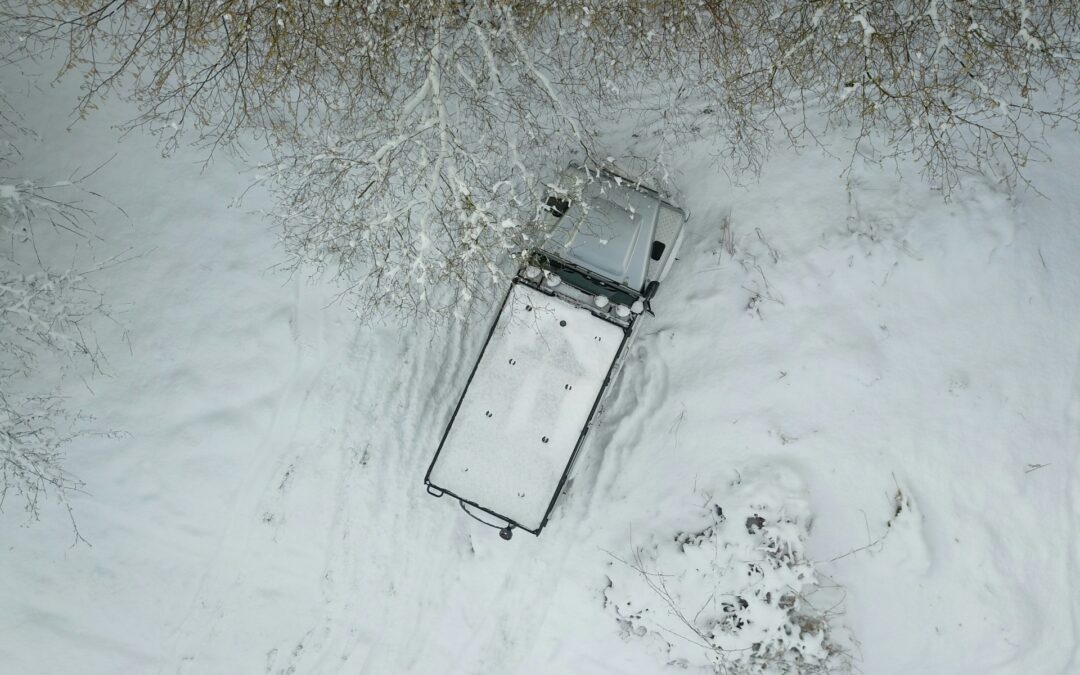
Winter weather in Aurora doesn’t always give much warning. One night of freezing temps or a quick snow squall can coat roads with black ice before drivers even notice. You can’t always see it, especially on dark pavement and shaded areas. It’s not just highways that get slippery either. Smaller streets, ramps, and bridges often freeze faster than the main roads.
Drivers in Aurora should watch for these areas when conditions turn cold:
• Steep hills in neighborhoods or park areas
• Off-ramps from major highways like I-225 or I-70
• Bridge decks and overpasses where cold air flows underneath
• Intersections with packed snow or slush
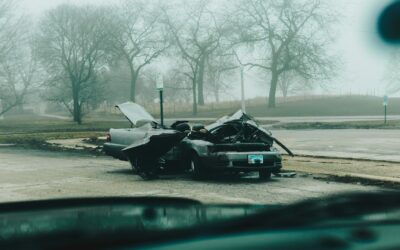
Even small crashes on these roads can cause injury. When a car hits black ice, it can spin or slide into traffic, curbs, or light poles. Even moving slowly, the impact can be enough to hurt your back or neck, or cause trouble later on.
At Cave Law, we represent clients hurt on highways, residential roads, and dangerous intersections around Aurora, Colorado. Our experience includes cases involving back and neck injuries, as mentioned on our car accident service page.
First Moves a Law Firm Makes After an Icy Crash
As soon as we hear about a crash on slippery roads, timing matters. Cold weather and traffic cleanup make it harder to gather what’s needed later. That’s why our first steps focus on locking down whatever we can.
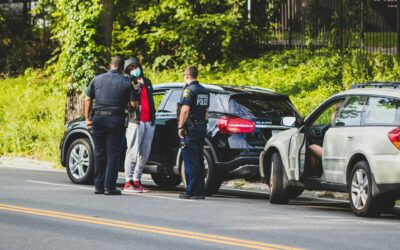
• We get a copy of the police report, making note of weather conditions and who said what
• We look for photos or videos of the scene before roads were cleared
• We try to locate witnesses and get their side while the memory is still fresh
• We check weather records to see if freezing rain or snow played a part
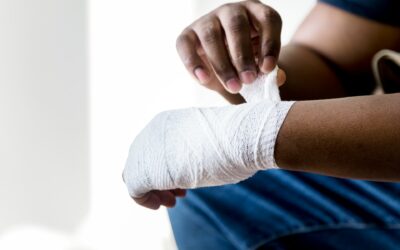
Medical records are equally important here. Even if a driver felt okay after a crash, soreness days later could mean whiplash or a back injury. Getting an early check-up and keeping track of symptoms helps connect those dots.
We make sure to address unseen injuries, like soft tissue injuries and delayed trauma, which are concerns our firm highlights in personal injury cases throughout the year.
Sorting Out Fault When Ice Is Involved
A lot of people think a crash caused by ice is just bad luck. But under Colorado law, every driver still has to drive carefully for the road they’re on. That includes adjusting for snow, sleet, and black ice. Slowing down, leaving more space, and avoiding sudden moves all matter when weather is part of the picture.
We look at things like:
• How fast someone was driving when they hit that icy patch
• Whether they left enough room between cars
• If they made a sharp turn or sudden lane change on slick pavement
When we step in as a car accident law firm, our goal is to show the full story. That might mean proving one driver reacted too late, braked too hard, or didn’t slow down even though it was obviously snowing. Just because it’s winter doesn’t remove responsibility.
Dealing With Insurance and Injury Claims
When ice shows up in a crash report, insurance companies often lean into the “act of nature” angle. That can make it harder for injured drivers to get a fair response. They may try to argue no one’s at fault or push back on injury claims by saying the crash was minor.
This is where the details matter.
• We compare accident photos with injury reports to link the damage with what happened
• We gather records that show how the injury is affecting work or daily life
• We respond when insurance offers are too low or when claims are delayed
Winter wrecks are more than just fender benders. Recovery can take weeks or months, especially if the impact hit someone’s spine, neck, or shoulders. That’s why building a strong claim takes real attention to both medical and road evidence.
Our team at Cave Law works with clients to challenge lowball offers and connect injuries to vehicle damage, as explained in our insurance claim handling process.
When Train or Bus Accidents Happen in Winter
Snow doesn’t just make driving personal cars harder. It creates complications for train and bus travel too. In icy weather, public transportation sometimes runs late, stalls out, or worse, crashes. When that happens, the steps we take are a bit different, simply because the rules for public systems aren’t the same as those for private drivers.
If someone’s injured while riding a bus that skids into a guardrail, for example, we’ll look at:
• Road conditions at the time of the crash
• Whether the driver kept the right speed in icy stretches
• Maintenance and safety checks that were logged before the shift
Train accidents are even more serious. Ice on tracks, poor visibility at crossings, and signal failures during storms can all put passengers at risk. If someone gets hurt during a winter rail incident, we want to know what safety steps were in place, and what should’ve been done to avoid it.
Your Guide Through Slippery Situations
Cold weather crashes bring more stress, often with fewer clear answers. Between slick roads, poor visibility, and delayed cleanup efforts, the hours after a crash can feel like a blur. But having a plan, and knowing what actions come next, can lift some weight.
Every winter wreck is different, but the path forward doesn’t have to be unclear. When steps are taken early, photos are saved, injuries are reported, and questions are asked about speed and space, it starts to paint a clearer picture. Icy roads may raise the risk, but they don’t have to be the end of the story. With the right guidance, the direction forward starts to take shape.
Winter roads in Aurora, CO can become hazardous quickly, leaving you unsure of what to do after an accident. We understand how factors like ice, speed, and limited visibility impact each situation. As a trusted car accident law firm, we carefully gather the facts, handle insurance matters, and make sure your story is heard. When a snowy crash leaves you injured or shaken, turn to Cave Law for the guidance and support you deserve.