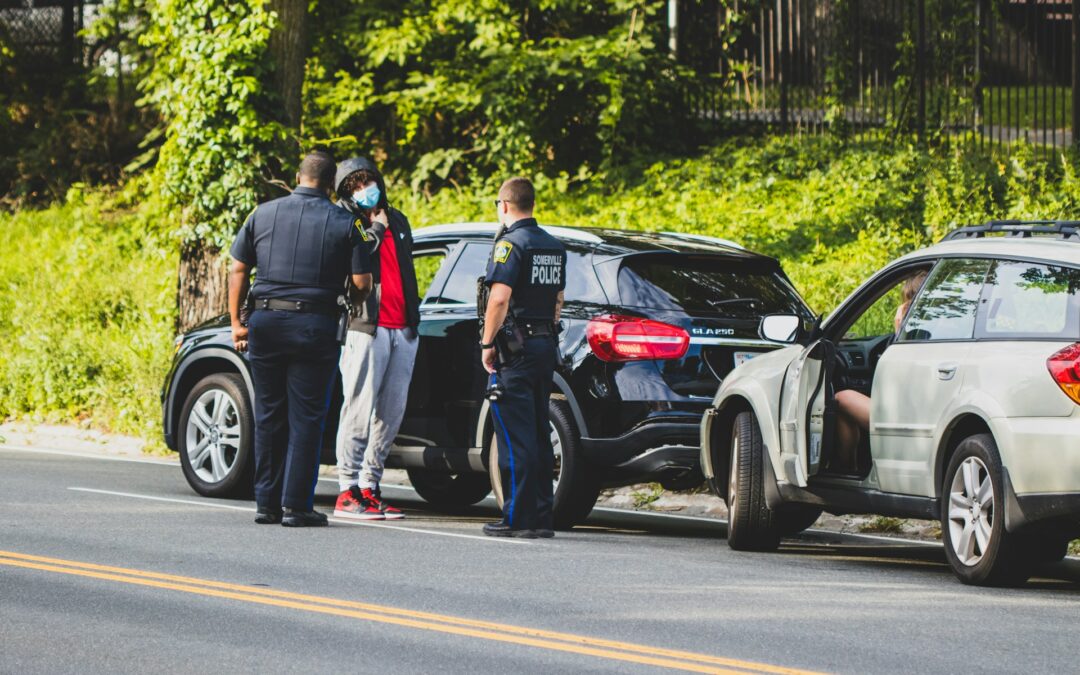
After a car crash in Aurora, one of the first things that happens is a police officer gets called to the scene. What they write in their report ends up playing a big role in what comes next. That single document might shape how insurance companies respond, how fault is assigned, and how injury claims are reviewed.
But these reports aren’t always crystal clear. Sometimes key facts are left out. Other times the way something is written can shift blame, even if it doesn’t line up with what actually happened. That’s where having a car accident lawyer in Aurora, CO can make a difference.
We help look closely at what the report says, check it for accuracy, and find ways to fill in the gaps when the story isn’t quite right. Especially during Colorado’s snowy season, details in these reports can mean the difference between a smooth recovery and a drawn-out process.
Why Police Reports Matter After a Wreck
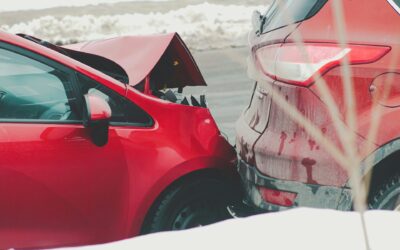
When a crash happens, it’s normal to feel overwhelmed. Between the shock, damage, and weather, small moments can become a blur. That’s why police reports are so important. They act like a snapshot of what happened as officers understood it at the time.
• Reports show the basics: who was involved, where the crash happened, and what damage was seen
• Officers might include what they saw, what drivers or witnesses said, and what the road looked like
• In icy or snowy weather, these details can help explain whether unsafe driving or poor conditions played a role
• Insurance adjusters and lawyers often use these reports to shape how blame is assigned and how claims move forward
In Aurora, CO, winter weather often makes things more complicated. Black ice and low visibility can lead to crashes where it’s not immediately obvious who was at fault. The wording in the report can either help clear things up, or add more confusion.
At Cave Law, we have experience with police reports from accidents across Aurora, especially those caused by snow, ice, or low-visibility conditions. Our service page highlights the importance of looking at all details to help you tell your side of the story.
How a Lawyer Checks the Report for Mistakes or Gaps
Police officers do their best at the scene, but they’re often working quickly amid traffic, noise, and cold temps. That can lead to mistakes or missing details in the final report.
We go through the report from top to bottom looking for problem areas. Here’s where we usually focus:
• Wrong information about which lane a vehicle was in, or which direction it was traveling
• Missing descriptions of the weather, road conditions, or lighting at the time of the crash
• Incomplete documentation of what drivers and any witnesses said
• Injuries not listed or described in a way that downplays how someone was really feeling after the crash
Sometimes drivers try to walk off minor pain, only to feel worse hours or days later. If that early soreness turns out to be a real injury, it helps to have everything lined up correctly from the start. Making sure the report fits the facts makes it easier to show what really happened.
Cave Law works with victims to address common reporting issues, making use of photos, medical records, and witness statements when needed. This approach is vital for complex winter cases where the report might miss key facts.
What Happens If the Report Doesn’t Tell the Whole Story
Police reports don’t always get it right. Sometimes the officer never spoke to one of the drivers. Other times, road conditions change shortly after the crash, making it harder to explain what things looked like during the accident.
When the report misses pieces or assigns fault incorrectly, we step in to gather more proof. This might include:
• Photos or videos from bystanders, traffic cameras, or dashcams
• Witness statements not included in the report
• Diagrams that show skid marks, damage points, or vehicle paths
• Medical reports that explain how the crash led to injury
If we find that the report is missing something important, we may ask for changes or submit a supplemental statement. While it’s not always possible to rewrite what’s already filed, offering more info helps balance the record. The clearer the full story becomes, the easier it is to work toward fair treatment later on.
Our law firm is dedicated to making sure your voice is part of the official record. This is especially important following multi-car winter pileups or complicated crashes that happen at train crossings, both of which are areas we handle often.
Using the Report in Claims Against Public Vehicles Like Trains or Buses
Things get more layered when the crash involves public transportation. If someone is injured in a wreck that includes a city bus or a train, the rules for how things are recorded and reviewed shift a bit.
Reports in these cases often include info that’s not found in typical car crash paperwork. We look for:
• Driver schedules and logs showing how long they had been on duty
• Route timing, traffic history, and reports of delays or mechanical issues
• Copies of video footage on the vehicle if available
• Notes on whether the bus or train was following the posted route and schedule at the time of the crash
Speed, slippery tracks, and poor visibility all matter more when public transportation is involved. Winter weather might mean a bus skids into a crosswalk or a train can’t stop in time because of icy rails.
Local agencies usually have tighter timeframes for reporting injuries or requesting claims, too. Waiting too long can mean missing your chance to respond. That’s why acting early matters so much when public vehicles are connected to the crash.
A Clearer Path After the Crash
Police reports help set the tone for everything that happens after a crash. But they’re written quickly in stressful moments, and they don’t always carry the full picture.
When someone knows what to look for and how to ask the right questions, it’s often possible to clarify confusing parts of the story. Whether it’s a two-car crash during a snowstorm or a train accident on slick tracks, understanding what’s written in the police report can help bring clarity and direction. Doing that early can make a real difference in what happens next.
When a crash happens in winter and the police report doesn’t reflect what you experienced, important aspects like road conditions or visibility can sometimes be overlooked. As a trusted car accident lawyer in Aurora, CO, we understand how reports can shape your next steps and how to help correct the record if needed. At Cave Law, we make sense of the confusion so you can move forward with confidence. Contact us to discuss your crash and what actions are right for you.