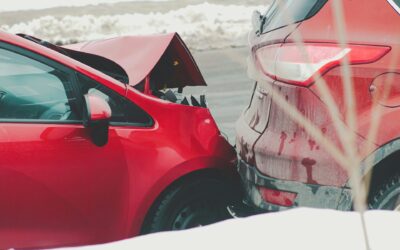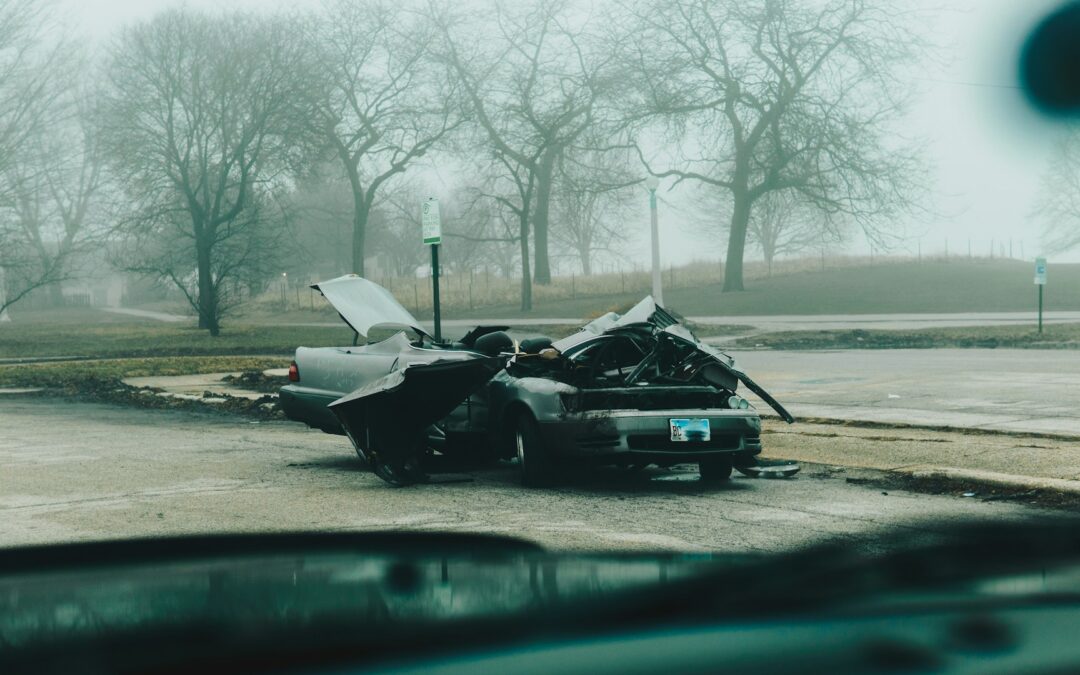
Winter comes with its own set of problems on the road, especially here in Aurora, Colorado. Snow, sleet, black ice, and freezing rain can turn a normal drive into a dangerous one fast. Every year, we see crashes spike during the colder months. Many of those accidents happen because drivers aren’t ready, or weren’t expecting conditions to change so quickly.
These kinds of crashes aren’t always easy to sort out either. If the road was icy or covered in snow, you might wonder who’s really at fault. That’s where having support from aurora, Colorado car accident lawyers can make a real difference. We are going to talk about what makes winter wrecks more common, what to do if you’ve just been in one, and how fault gets figured out when the weather is part of the problem.
Understanding Slippery Road Conditions in Aurora
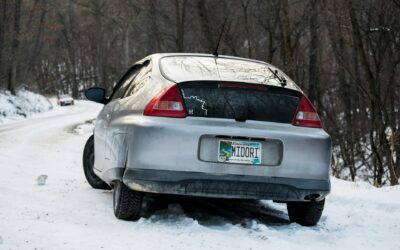
Aurora winters bring a mix of snow, freezing rain, and sudden temperature drops. All of that adds up to roads that don’t feel safe, even when they look dry. One of the trickiest hazards is black ice. You often can’t see it because it blends right in with the pavement. It’s especially common at night or early in the morning when temps are low and the air is damp.
Drivers should also watch for areas known to get slicker than others. In Aurora, some of the more common crash areas in winter include highway ramps, quiet backroads, neighborhood hills, and busy intersections where snow piles make it tough to see. Bridges and overpasses can freeze even faster than regular roads because of cold air moving underneath.
Here’s why driving gets riskier when any kind of ice or snow is involved:
• Tires have less grip, which means it takes longer to slow down or stop
• Steering feels harder when slush or ice makes the car slide
• It’s easier to spin out, especially during quick turns or sudden lane changes
• Stopping distances increase, which can lead to rear-end accidents if people are too close
When road conditions change without warning, even careful drivers can end up in bad spots.
What to Do Right After a Winter Car Crash
If you’re in an accident during winter, your first thoughts are probably racing. It’s jarring, especially if it came out of nowhere. In those first few minutes, it helps to take small steps to keep things from getting worse.
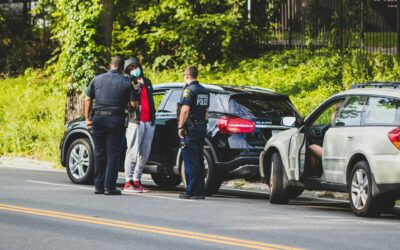
1. Check yourself and others for injuries if you’re able. If emergency help is needed, call 911 right away.
2. Stay in the car if it’s safer than standing on a busy road. If you can move, get off the road and out of traffic.
3. Turn on hazard lights so other drivers can see you.
4. If it’s safe and you’re not hurt, take photos or notes. That includes vehicle damage, the road surface, street signs, and anything else that shows how slippery it was.
Even small crashes can cause hidden injuries, so it’s good to see a doctor soon after. Many people brush off soreness or fatigue, not realizing they might be dealing with a back or neck injury.
Photos and notes help tell the story later. They show what things looked like before plows had a chance to clear the road or before tire tracks faded. That kind of information can help explain why the accident happened and whether it could have been avoided.
How Fault Works on Slippery Roads in Colorado
When snow or ice is part of the crash, many people assume weather is to blame. But Colorado law still expects drivers to adjust to what’s going on outside. The road being icy doesn’t automatically remove fault. Drivers are still required to drive at a speed that fits the conditions, leave space to stop safely, and avoid risky moves.
If someone was speeding on an icy road, driving too close to the car ahead, or braking too hard on a curve, those actions can still count as careless behavior. That matters when it’s time to figure out who pays for damages or injuries.
Colorado uses what’s called modified comparative negligence. That means fault can be shared. If both drivers did something wrong, each person might take a piece of the blame. But if one driver is more than 50 percent at fault, they usually can’t collect money from the other.
That’s one reason winter accidents are harder to handle on your own. Weather plays a role, but it doesn’t excuse everything. You still have to show who did what, and why it matters to the outcome.
How an Aurora Car Accident Lawyer Can Make a Difference
When roads are slick and the crash report mentions snow or ice, things can get complicated fast. A big question always comes up: was it just bad weather, or did someone make a bad choice behind the wheel? That’s something we dig into by looking at details like time, location, driver behavior, and any road conditions that could have played a part.
Here’s how we help after a winter crash:
• Checking police and weather reports to line up what was happening at the time of the wreck
• Investigating tire marks, vehicle positions, and damage to understand how fast cars were going or if someone lost control
• Reviewing statements and photo evidence for signs of speeding, following too closely, or trying dangerous moves on slick pavement
• Helping sort out responsibility in light of Colorado’s specific laws about fault
The car accident page at Cave Law explains that we help with accidents caused by winter conditions, distracted driving, and difficult road situations. Our team handles a wide range of accident cases, including those involving rear-end collisions and multi-car pileups that often happen when the roads are icy.
Insurance companies often try to argue that snow or ice is just bad luck. They may not want to dig deeper. But we know from experience that some crashes could’ve been avoided if the driver had adjusted to the weather, kept more distance, or slowed down in time. That difference between a simple slip and a preventable mistake matters when damage is serious and recovery takes time.
If you’ve been hurt and the crash happened in January or after snowfall, speaking with aurora, Colorado car accident lawyers can help you understand where you stand. Winter doesn’t always make fault obvious, but with the right help, the pieces start to come together.
Answers and Support For Your Next Steps
Driving in Aurora, Colorado during the winter means facing dangerous road conditions, but you do not have to figure everything out alone. Cave Law’s team understands the special risks of local winters, such as black ice, multi-car crashes, and accidents involving distracted drivers when visibility drops. We are familiar with the roads, weather patterns, and unique laws affecting motor vehicle collisions right here.
Winter crashes can feel overwhelming, especially when icy roads make everything more confusing. Figuring out your next steps and how the law applies can be stressful, but the right support makes all the difference. For straightforward answers suited to your situation, our Aurora, Colorado car accident lawyers are ready to listen and guide you. If you have questions after a crash on slick roads, reach out to Cave Law so we can help you move forward with confidence.