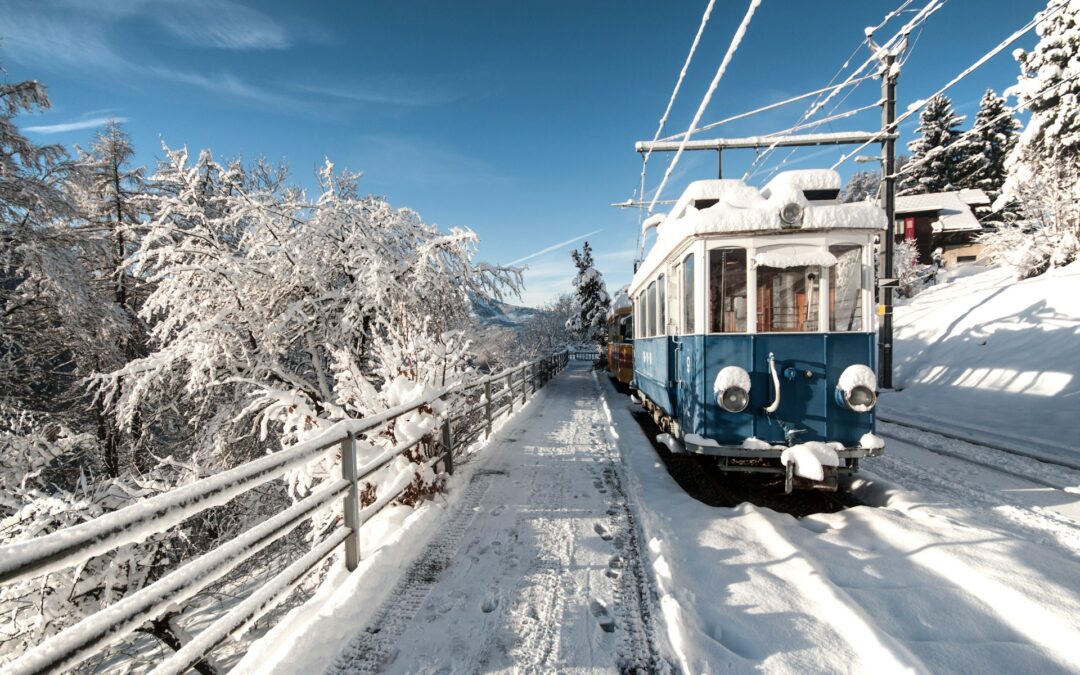
Cold weather in Denver brings more than snow boots and frozen windshields. It changes the way certain parts of the city move, especially trains. For commuters and travelers, these weather shifts can lead to unexpected delays, tougher conditions, and in some cases, dangerous situations. By December, the city often sees icy tracks, snow accumulation, and cold-related wear on train systems, making operations a whole lot harder than usual.
Winter conditions don’t just test your patience — they test safety systems too. Slippery spots on tracks, broken signals from snow build-up, and even frozen bolts and brakes can all put passengers at risk. Whether someone is passing through Denver or commuting from Aurora, knowing how trains get affected by freezing temperatures helps people better prepare, spot red flags, and understand when something goes wrong.
Common Cold Weather Challenges For Trains In Denver
Cold air doesn’t just sting your face at the station. It causes real problems for railway systems. Train equipment doesn’t work the same when it’s freezing out, and tracks react differently too. By December, snow and ice can stick around for days, especially during back-to-back storms. And when that mixes with fast-moving trains and heavy use, problems add up quick.
Here’s what usually happens:
– Slick rails: Ice and compact snow make tracks slippery, which messes with traction. This can stretch out how long it takes a train to brake, making it harder to stop safely and increasing chances of impact.
– Signal problems: Snow might sound harmless, but when it piles up on track sensors or signal components, trains may lose proper communication. That confusion can slow down traffic or worse, send mixed signals to conductors.
– Frozen parts: Train doors, brakes, and couplings are built for wear, but freezing temperatures can still clog these systems or jam them. That can interrupt routine stops or delay a schedule pretty fast.
– Rail fatigue: Metal bends and shifts in heat, which means steel tracks can contract in the cold. Over time, this puts added stress on certain areas, making cracks and breaks more likely when combined with pressure from train wheels.
– Low visibility: Blizzards and icy fog are common through late December in Colorado. They reduce how far engineers can see ahead, especially in remote areas outside heavily trafficked city zones.
Even with planned maintenance and regular cleanups, weather-related issues pile up faster than you might expect. A train that runs smoothly all summer might stall suddenly during one silent snowstorm. When these problems cause delays or dangers, people in Aurora and Denver counties may question whether law safety rules or duties of care were followed. This question matters most when injuries occur, and someone has to figure out exactly what went wrong.
Preventative Measures By Train Operators
Train companies in Denver understand these risks, which is why there’s a lot going on behind the scenes after a winter forecast drops. While passengers wait under heat lamps at stations, operators and crews are busy rolling out winter action plans. Those safety steps make all the difference between a quiet, snowy ride and avoidable chaos.
Here are just a few ways operators prepare trains to run through cold weather:
1. Heated track switches: These help keep parts moving even in freezing temps. A frozen switch can trap a train at a split in the track, so extra focus goes into keeping these zones clear.
2. Track inspections with snow-clearing vehicles: Large vehicles run along train tracks, sometimes overnight or early morning, to sweep snow off the rails and remove any ice buildup before scheduled runs.
3. Sand spreaders for traction: Many trains drop sand onto the tracks to cut down on slip when accelerating or braking. It may not sound fancy, but this small step keeps things steadier.
4. Real-time weather monitoring: Operators keep a close eye on weather stations and alerts so they can plan for speed changes, route adjustments, or hold stops based on changing snow and wind conditions.
5. Winter readiness training for crews: Conductors, engineers, and station teams often go through separate cold-weather prep. This includes knowing how to respond if a system malfunctions during freezing weather or if a passenger needs emergency help on a stalled train.
Still, even when these steps are followed, things aren’t failproof. Trains are big, complicated machines running under serious pressure, and when anything breaks down or gets missed, accidents can happen fast. In cases where neglect or poor maintenance contributed to the problem, fault can shift back to the companies or agencies in charge, especially if legal standards set by places like Aurora aren’t met. Knowing when these safety practices fall short is helpful if someone gets hurt on a train during a snow-covered evening ride home.
Safety Tips For Train Passengers During Winter
Winter travel on Denver’s rails can be calm one day and tough the next. That’s why it helps to be prepared before stepping onto a platform. Even with all the safety steps taken by the train operators, passengers play a role in staying safe too, especially when snow is falling or temperatures drop fast.
Here are a few practical things passengers can do during cold months to protect themselves:
– Dress in warm layers, including gloves and a thick coat. Trains are usually heated, but if there are delays or broken systems, you might end up waiting outside longer than expected.
– Use shoes or boots with grip. Platforms can stay icy even if the rest of the walkways have been cleared.
– Arrive at stations earlier than usual. Train schedules may shift slightly due to weather issues, and rushing across slick platforms isn’t worth the risk.
– Stay behind marked safety lines and pay close attention to platform gaps. Ice can make these harder to spot or step around.
– Carry a few helpful extras like a flashlight and portable phone charger. If lights go out or if you’re stuck while waiting for rescue or assistance, these tools can make a big difference.
– Listen to train staff and digital alerts. If a problem pops up during your ride, announcements will often explain delays or give steps to follow in case of emergency.
One example involved a passenger getting stuck on a packed train in freezing conditions just outside of Aurora. Power got lost mid-trip due to a rail signal short caused by ice. While waiting for rescue teams, having a backup phone charger and extra coat made a big difference for warmth and safety.
If anything feels off, whether it’s a strange sound from the train, icy steps with no caution signs, or a slippery platform with no cleanup, it’s worth reporting right away. Your input might help keep someone else safe later in the day. And if you do get injured during one of these cold weather commutes, you’ll want to remember every detail you can. That information could matter if legal steps come later on.
Legal Rights And Assistance For Train Accident Victims
If someone is hurt during a train accident in winter, fault isn’t always clear at first. That’s where Colorado law steps in. In Aurora, railroad operators are expected to maintain their equipment and tracks to match seasonal conditions. If they ignore signals needing service or if they ride despite unsafe routes, they could be held responsible.
Many winter-related train injuries come from issues that could’ve been handled early. This might include:
– Failing to remove snow and ice from platforms or entry steps
– Letting damaged or frozen doors malfunction
– Skipping switch checks that allow for safe track connections
– Poorly trained crews unsure how to handle winter breakdowns
If any of that sounds like what happened to you or someone you know, there’s a chance the train company didn’t meet standards under local laws. Aurora courts might review how the accident happened and if any direct neglect played a role.
Laws in Colorado also give accident victims the right to pursue legal action for medical injuries, lost wages, and pain if negligence is shown. It’s not always a simple process, but a trained railroad injuries attorney in Aurora can help walk through the steps. They’ll collect evidence like maintenance records, weather details, and train logs from the day of the accident — things that are hard for victims to get on their own.
Make sure to write down everything right after the incident. Photos, names of witnesses, and screenshots of weather alerts or train delays can be useful later. Even if it seems small, these details fill in gaps about what really happened during the ride.
Staying Safe During Colorado’s Harshest Train Months
Winter weather throws all kinds of curveballs in Colorado, especially on train routes that stretch between Denver and Aurora. With snowstorms, frozen tracks, and shorter daylight hours, passengers face more risk during this season than any other time of year. Understanding that helps people get ready before they board, not just physically, but mentally too.
Watching for signs of engine problems or unsafe walking areas takes only a moment but could prevent a big injury. Riders can also learn their legal rights in case something goes wrong. Laws built to keep the public safe matter most during harsh weather, when delays and breakdowns are more common. Taking an active approach means not just surviving a winter commute but making sure everyone gets through it safely and responsibly.
If you’ve been injured in a train incident during Denver’s colder months and suspect poor maintenance or unsafe conditions played a role, understanding your legal options is important. Speaking with a knowledgeable railroad injuries attorney can help you determine the next steps. At Cave Law, we’re committed to guiding Aurora residents through the legal process with care and experience to ensure your rights are fully protected.