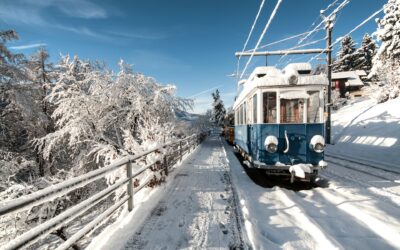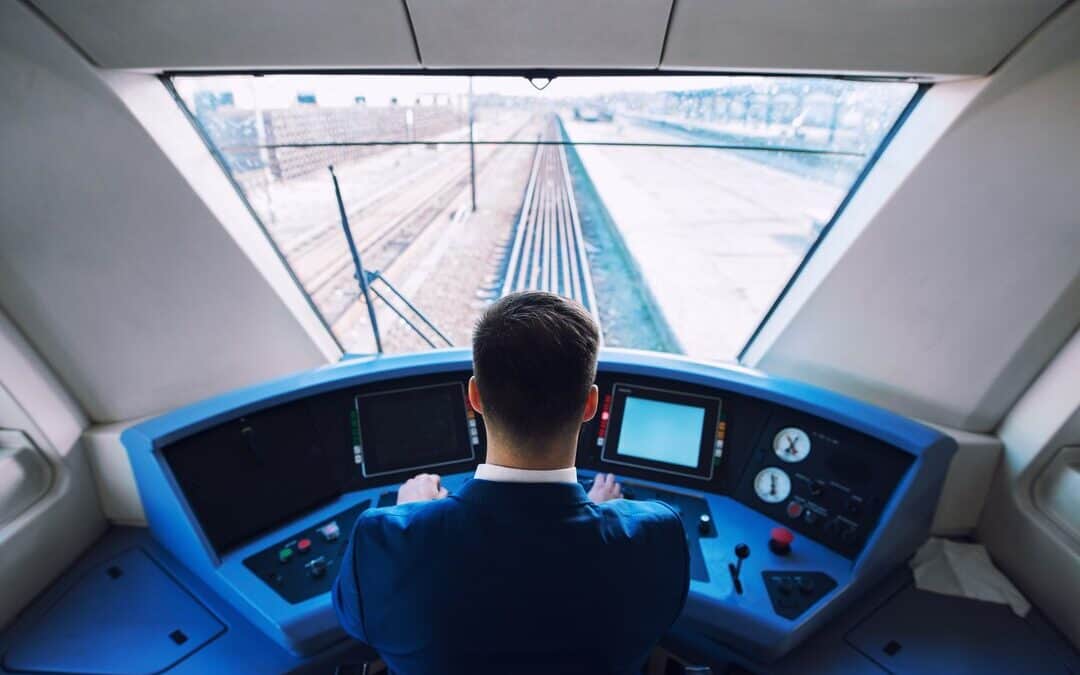
When people think about train safety, they often picture mechanical issues, icy platforms, or problems with crossing gates. But one of the biggest hidden risks is a failure in the train communication system. These systems operate silently in the background, helping everyone from conductors to dispatchers stay in sync. When they go down, the ripple effects can be dangerous.
In Aurora, Colorado, communication breakdowns on trains aren’t just technical glitches—they can lead to missed signals, wrong moves, or even serious accidents. November weather in Colorado, with its cold snaps, snow, and wind, makes the risk even greater. A simple signal error during a storm can leave passengers, drivers at railroad crossings, or bystanders in harm’s way. That’s why it’s important for people in Aurora to understand what causes these problems and what the laws say about fixing them.
Common Causes Of Communication System Failures
A failed train communication system isn’t just about bad luck. There are known factors that can cause these systems to stop working or behave unpredictably, especially in a place like Aurora with its seasonal challenges.
Here are some common reasons these failures happen:
– Old equipment: Many trains still use radios or signals that haven’t been updated in years. These devices wear out or stop working without notice when they’re not regularly maintained.
– Harsh weather: Snow and freezing rain during late fall can damage towers, freeze wiring, or knock out critical components of the communication system.
– Electrical interference: Areas with construction, nearby power lines, or overcrowded electronic signals can mess with the connections between the train and its control centers.
– Human mistakes: Sometimes, the systems aren’t at fault. A worker might tune into the wrong channel, or an alert might not be sent or received in time due to miscommunication.
Imagine riding from Aurora into Denver during an icy morning. A signal tower goes down from the heavy snow, and the train operator doesn’t receive a warning about a stopped train ahead. That one failure could lead to emergency braking or even a crash at a crossing. It’s scary, and worse, it’s preventable.
Railroad companies have a duty to keep their communication tools in working order. When they ignore repairs or fail to upgrade old systems, it doesn’t just slow things down—it puts people in danger.
Legal Responsibilities And Regulations In Aurora, Colorado
Train operators don’t get to play guessing games when it comes to safety. The Federal Railroad Administration and local Colorado authorities both have clear rules. In Aurora, these standards apply just as strongly as in any other city.
Railroad companies are required to:
– Keep all signaling and communication tools in working condition
– Inspect equipment regularly and fix problems quickly
– Train staff on how to use backups if the main system fails
– Make sure anyone working on or near the tracks knows how to handle communication delays or breakdowns
When a communication failure causes an accident—like a train not stopping in time or gates failing to come down—a full investigation often follows. These reviews will look at whether the company followed the rules. Did they do regular maintenance? Were crews trained to handle the issue? Had any previous warnings gone ignored?
If they’re found to be negligent, victims may be able to seek compensation. Even more important, proving fault helps make sure the same issues don’t happen again in the future.
For Aurora residents, understanding these responsibilities means knowing when a company has failed to do its job—and what that could mean for your legal rights.
Steps To Take If You Experience A Communication System Failure
It’s not easy to think clearly in a stressful moment, especially when something goes wrong on or near the tracks. But if you notice or are affected by a train communication issue, there are a few steps that could make a big difference for your safety and your case, if one comes up.
1. Make sure you’re safe. Step away from tracks, stalled trains, or traffic areas near a railroad crossing.
2. Stay calm and alert. If announcements aren’t clear, wait for verbal instructions from the train staff.
3. Document everything. Photos and videos of the scene, the train number, or any flashing alerts can all add up.
4. Take note of the basics. Write down the time, specific location, and any unusual delays or changes in announcements.
5. Get witness info. If others saw the same thing, ask for their names and contact information.
6. Report the issue. If staff are not addressing the problem or you notice an unsafe situation, calling 911 may be necessary.
Don’t try to post all the details online or guess about what happened. The facts may be more complicated than they seem, and accidents tied to communication failures usually involve technical reviews, equipment checks, and paperwork that can stretch back months.
If you’re hurt or scared after an incident, it helps to speak with someone who knows how train companies operate and how Colorado law applies.
How Legal Support Can Help With Train Communication Failures
Cases involving train accidents and failed communication aren’t always clear at first. Was the system broken? Did dispatch miss a warning? Was weather to blame or human error? Answering these questions takes time, access to records, and legal experience.
That’s where working with a local attorney familiar with railroad law in Aurora can really make a difference. A skilled legal team knows how to:
– Request maintenance records and inspection logs from railway companies
– Interview crew, dispatchers, or passengers to get a fuller picture
– Work with communication experts to analyze equipment behavior
– Check whether proper training or backup systems were in place
– Hold larger companies accountable when they try to shift blame
Let’s say a train in Aurora blew through a crossing without warning, and cars narrowly avoided a crash. If the signal to lower the gates wasn’t sent because of a dispatch radio failure, the train company could be responsible. But proving that error requires digging into reports, logs, and past incidents—and big rail companies may not hand that over easily.
Attorneys who understand state and local railroad guidelines won’t stop at one answer. They’ll look deeper and push for clarity, not just payment. That helps prevent similar accidents and keeps riders, workers, and the entire community safer.
Staying Safe and Informed in Aurora
Even though communication failures on trains aren’t something you see every day, they’re more common than most people realize. And when they happen, the results can range from long delays to real danger. That’s why being informed isn’t just smart—it can actually protect your life.
In Aurora, the mix of seasonal weather and busy rail lines means failures can pop up when people are least expecting them. Knowing what to watch for—confused staff, missing alerts, flashing lights that don’t make sense—could help you step away before something goes wrong.
People often assume someone else will report problems. But even small glitches in alert systems or unexpected delays at crossings can point to deeper issues. The more those problems are reported, the better chance they’ll be fixed before they cause harm.
If you’ve had a close call or been in a situation where a train didn’t seem to get proper updates, that could be more than just a mistake. It might suggest a bigger issue with the communication system. Examples like these shouldn’t be ignored, especially when the safety of a whole community is involved.
Being alert, knowing your rights, and holding the right people accountable all help reduce the risk that someone’s next train ride ends in an accident.
Navigating the aftermath of a communication failure or a related incident at a railroad crossing in Aurora can be overwhelming. For guidance that’s rooted in local experience and tailored support, Cave Law is ready to help. If you’re unsure of your next steps or want to better understand your rights after railroad crossing accidents, we’re here to stand by your side every step of the way.