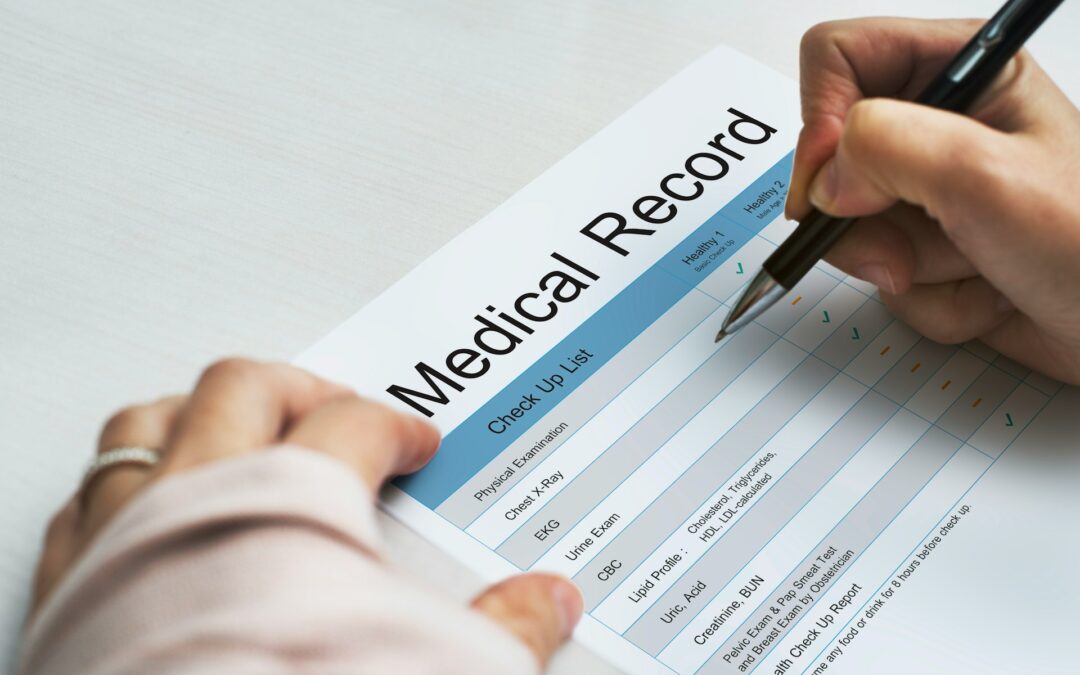
After a car crash, the first thing on your mind might be how badly your vehicle is damaged or how you’re going to get to work the next day. But there’s something just as, if not more, important than all of that: your medical records. These records are often the foundation of your injury claim. They help explain what happened to your body, how serious your injuries are, and how they’re affecting your everyday life. If there’s any misunderstanding or lack of detail, your case can lose strength fast.
In Aurora, Colorado, medical records can play a big part in how your case plays out. A clear timeline and full documentation of your injuries help show the truth behind your experience. Attorneys often depend on these records to hold the other side accountable and get fair results. The better the records, the better chance you have of reaching a stronger outcome.
Initial Medical Evaluation
Got into a car crash? Don’t wait around. The first step should always be getting checked out by a doctor, even if you think you’re fine. Many injuries don’t show up right away. What feels like a small ache now could turn into something much more serious later. If you wait too long to get medical help, it may look like your injuries aren’t connected to the crash, which could hurt your case.
Here’s why those first medical records matter so much:
– Emergency Room (ER) reports show the first official steps taken to evaluate your injuries. They create a time-stamped link between the accident and your pain.
– Initial doctor’s notes outline your symptoms and what the doctor saw after examining you. Details like timing, type of injury, and early treatment efforts are recorded here.
– Diagnostic tests like X-rays, MRIs, and CT scans show what’s going on inside your body. These test results can catch broken bones, head trauma, and other serious issues early on.
Each one of these records helps build your case from the start. It tells your story, right from the moment the accident happened. Without them, everything that comes later could be doubted or challenged.
Ongoing Medical Documentation
After that initial visit, your treatment doesn’t stop. Neither should the recordkeeping. Keeping track of everything related to your medical care is key to showing how injuries are affecting your life over time. These documents help show that you’re serious about getting better and that the impact of the accident is long-term, not just a one-time issue.
Here’s what ongoing care records often include:
– Follow-up appointments that track pain levels, healing progress, and reactions to treatment
– Physical therapy documentation if you need help regaining strength, balance, or motion
– Notes from specialists like chiropractors, orthopedic doctors, or neurologists
Consistent records like these help prove your injuries didn’t magically disappear a week later. They also show the cost, time, and energy you’ve invested just to get back to normal. For example, if you had to miss several weeks of physical therapy due to pain flare-ups, that information will be logged by the provider and can explain why you’re still struggling months later.
All this info adds more weight to your case and makes it easier to show proof if questioned by investigators, insurance companies, or attorneys on the other side.
Specialized Medical Reports
Sometimes, a second opinion is helpful. Getting advice or confirmation from a specialist can support your claims. If your injury requires surgery, then surgical reports are very important. These records include details about the procedures you underwent and any complications that came up. Imaging results, like X-rays, MRIs, and CT scans, are just as important. They offer visual proof of injuries or conditions that might not be obvious on the surface but are clear signs of deeper issues. For instance, an MRI might show a herniated disc that explains your ongoing back pain.
Specialist reports can add strength to your case. These documents make your story more complete, confirming earlier notes or uncovering injuries that were missed at first. When reviewed by car accident injury attorneys in Aurora, they help show the full picture of what you’ve gone through so that nothing gets left out.
Impact on Daily Life and Work
Understanding the way injuries affect your daily routine and work is very important. A doctor’s memo or statement describing your new limits shows how serious things have become. Even small things like walking to the mailbox, picking up groceries, or sitting through a work meeting can turn into major challenges.
Records that show these kinds of impacts might include:
– Doctor’s notes describing what you can or can’t do now, such as restrictions on lifting, driving, or standing for long periods
– Mental health records from a counselor or therapist detailing anxiety, chronic stress, or trauma since the accident
Injuries that interfere with work carry both emotional and financial weight. If you miss days, can’t return to your usual tasks, or have to accept lighter duties, it affects your income. The better documented these work limitations are, the stronger your case becomes. Car accident injury attorneys in Aurora use this type of info to argue not just how you were hurt but how your life changed because of it.
Legal Considerations in Aurora, CO
Colorado has its own set of rules when it comes to legal cases involving injuries. Medical records play a key part in meeting those legal standards. The law expects a clear timeline and documented steps showing how the injury happened, how you were treated, and how you’re recovering.
That means gaps in your medical history can raise red flags. A missing report or undated note might lead someone to question whether the injury was really caused by the crash. On the other hand, a steady stream of well-dated documents shows consistency in your care and supports your version of events.
Car accident injury attorneys in Aurora know this process well. They pay close attention to how each piece of evidence fits the legal picture. They work to line up your medical records with what the law expects so that your claim stands on solid ground. Their goal is to help make sure your story is taken seriously and understood in full by those deciding your case.
Stay Organized, Stay Protected
Keeping everything in order makes things easier for both you and your attorney. Medical claims and legal cases move more smoothly when the information is already gathered and ready to go.
Here are some easy ways to stay organized:
1. Create a filing system. Use folders or binders to store copies of appointments, test results, and doctor notes. Back these up digitally if you can.
2. Keep a journal of your symptoms. Write down what hurts, when the pain gets worse or better, and how it stops you from doing things like working, cleaning, or even sleeping.
3. Track all communication. Keep a list of conversations with doctors, therapists, and insurance reps. Date and summarize them for quick reference.
A few minutes a week can prevent headaches later. It doesn’t just help your lawyer—it helps solidify each part of your claim.
Your medical records tell your recovery story, from the first ER visit to your current treatment. When those records are complete and organized, they protect your rights and give your case the support it needs to move forward. Keeping a full and honest record is one of the best ways to make sure your voice is heard.
Now that you’ve got a grasp on the importance of medical records in strengthening your injury claim, it’s also important to have legal support that understands the unique challenges of Colorado law. If you’re dealing with the aftermath of a crash and not sure where to turn, our team is ready to help. Reach out to our experienced car accident injury attorneys at Cave Law to see how we can help you move forward with clarity and confidence.