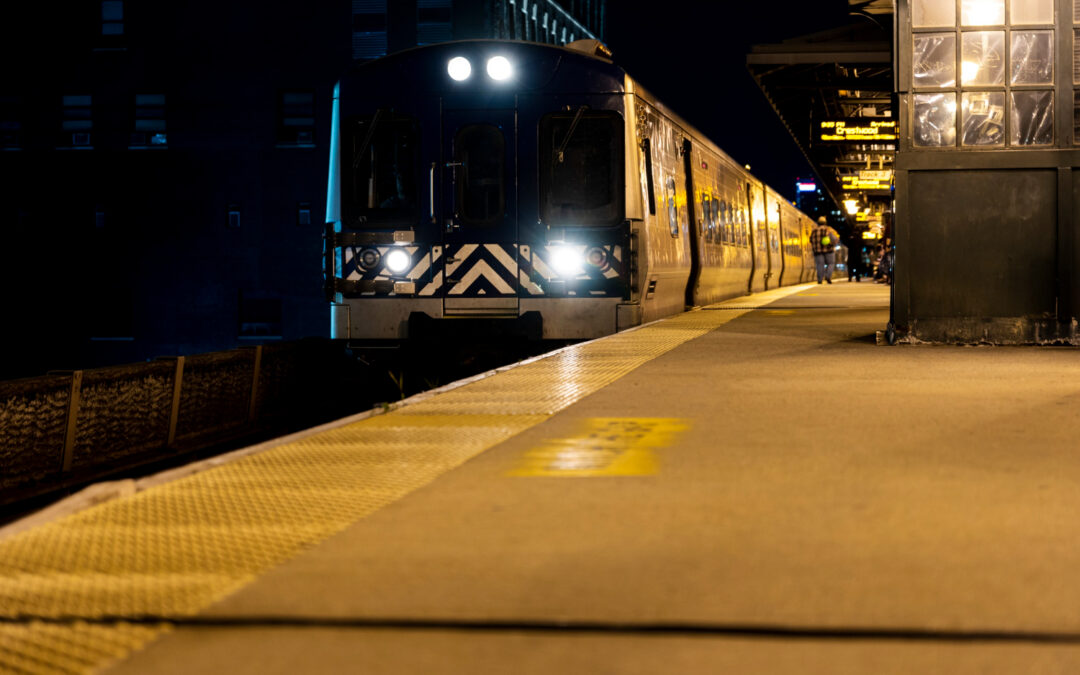
Getting hit by a train is the kind of event most people never imagine happening, especially in a city like Denver. But accidents do happen, even though trains only run on specific tracks and usually follow a predictable schedule. When it’s dark outside, that risk can feel even more serious. Lights are low, visibility is limited, and your reaction time may be slower. If your vehicle is ever struck by a train at night, knowing what to do next is key for your safety and your legal future.
The steps outlined below can help you through the confusion that tends to follow a nighttime train crash. Whether you’re still inside the car, trying to safely get out, or unsure who to call first, it can all feel like too much at once. This article outlines clear actions you can take both right after the impact and during the hours and days after the crash. Residents across the Denver metro area, including Aurora, should also understand how local laws affect train-related incidents and when it’s time to bring in legal help.
Immediate Safety Measures
The first step in any accident is safety. That may sound obvious, but when your car is hit by a train at night, panic can take over. Remaining calm helps you think clearly and act quickly, which is especially important near active train tracks.
Take the following steps right after the collision:
– Take a deep breath to stay calm and think clearly.
– If your car’s hazard lights still work, turn them on so others know there’s a problem.
– Check on any passengers. Make sure everyone is safe and isn’t seriously hurt.
– Get away from the tracks fast. Lead everyone to a safe spot at least 100 feet from the train and vehicle in case there’s a fuel leak or another train approaching.
– If your doors won’t open, look for a window you can break or push out.
– Stay alert to any strange sounds, hissing, smoke, or sparks that could signal more danger.
Do not linger around the vehicle to check for damage or snap pictures just yet. At night, it’s harder to see well, and you might not spot another train coming or tripping hazards around the tracks. Your first goal is to move to safety.
Contacting Authorities
Once you’re out of harm’s way, call 911. Even if there are no major injuries or the damage looks minor, Colorado law says you must report accidents that involve injuries or property loss—and collisions with trains usually involve both.
When the dispatcher answers, be ready to provide:
– Your exact location. Try to use cross streets, landmarks, or mile markers nearby.
– A quick but clear rundown of what happened.
– Any injuries or whether anyone seems hurt or needs help.
– If you notice anything dangerous, like leaking fuel, smoke, or fire, mention that too.
Emergency responders are trained to deal with traumatic events. Paramedics can check for hidden injuries, which may be masked by adrenaline. Police officers will file a report that documents the accident, which can later help with insurance or legal claims.
If your phone dies or you don’t have reception, flag down a witness or passing car for help. Don’t leave the scene unless you’re in danger. Police will take control of the scene and make sure everything is done safely and by the book.
Documenting The Incident At The Scene
Once things stabilize, and emergency crews are on the way, shift your focus to evidence. What you capture now can support a possible insurance claim or legal case down the line. Memory fades fast, especially after a stressful event at night.
Try to collect the following without putting yourself in danger:
– Take clear pictures and videos of your car, where it ended up, and the area around the crash.
– Include shots of vehicle damage, injuries, tire marks, and train features like warning signals or crossing gates.
– Capture wider angles and close-up details. If a crossing gate failed or lights didn’t flash, that matters.
– Politely ask any witnesses for their name and contact number, in case they’re needed later.
– Use your phone or a pad to write down what happened. Include the time, road or track conditions, anything you noticed before impact, and how fast you were going.
Avoid stepping onto the tracks or climbing over rail equipment. Colorado law restricts unauthorized access to railways, and doing so could be dangerous or illegal. Stay at a reasonable distance while gathering what you can. Darkness makes it harder to remember visuals later, so capturing them early is smart.
Understanding Legal Options Under Colorado Law
Train accidents are more complex than a fender bender between two cars. In many cases, train operations fall under regional or national oversight, especially when systems are publicly funded or involve third-party contractors. That means determining who’s at fault might require legal knowledge well beyond what most people understand.
In Denver and Aurora, the party responsible could be several entities. Maybe the conductor made an error. Or maybe the train company didn’t maintain the rail system properly. Sometimes faulty gates or signal systems—possibly installed or maintained by a third party—might play a role.
This is where working with a train accident law firm based in Colorado becomes important. A lawyer who focuses on this area of law knows how to identify the party that caused the crash and take steps to hold them responsible. You might be able to recover the cost of medical care, car replacement, lost wages, therapy, or even time off to heal.
Timing matters. Colorado has laws known as statutes of limitations, which set a deadline on how long you have to file a claim. If you wait too long, you could lose your right to take legal action. Getting legal guidance early helps you understand what qualifies as a case, how evidence plays a role, and what steps come next.
You’ve Been Through Enough — Here’s How To Take Back Control
Being hit by a train, especially in the dark, changes everything in seconds. After the shock and the rush of emergency response, you’re left with decisions you didn’t ask for. Your car could be totaled. You could be injured, missing work, or unsure how to deal with insurance. You might feel angry, frustrated, or just plain tired.
There’s no handbook for how to feel after something like this. But there is a way forward.
Taking the right steps after a nighttime train crash helps you stay safe, take control of the situation, and start the path toward recovery. If the crash happened due to someone else’s failure—like a faulty signal, poor train maintenance, or operator mistakes—you should not have to carry that burden alone.
Getting professional support can make a difference, especially when you’re dealing with pain, paperwork, or a system that’s not easy to understand on your own. If you live in Denver, Aurora, or anywhere nearby, a local train accident law firm knows the specific steps to move your case forward and help you recover what you’ve lost. Talking to the right legal team could be your next best step toward peace of mind.
If your life has been turned upside down by a train accident in Aurora, you don’t have to take on the legal system alone. Partner with a trusted train accident law firm that knows how Colorado laws affect your rights and recovery. Cave Law is ready to stand by your side and help you move forward with clarity and confidence.