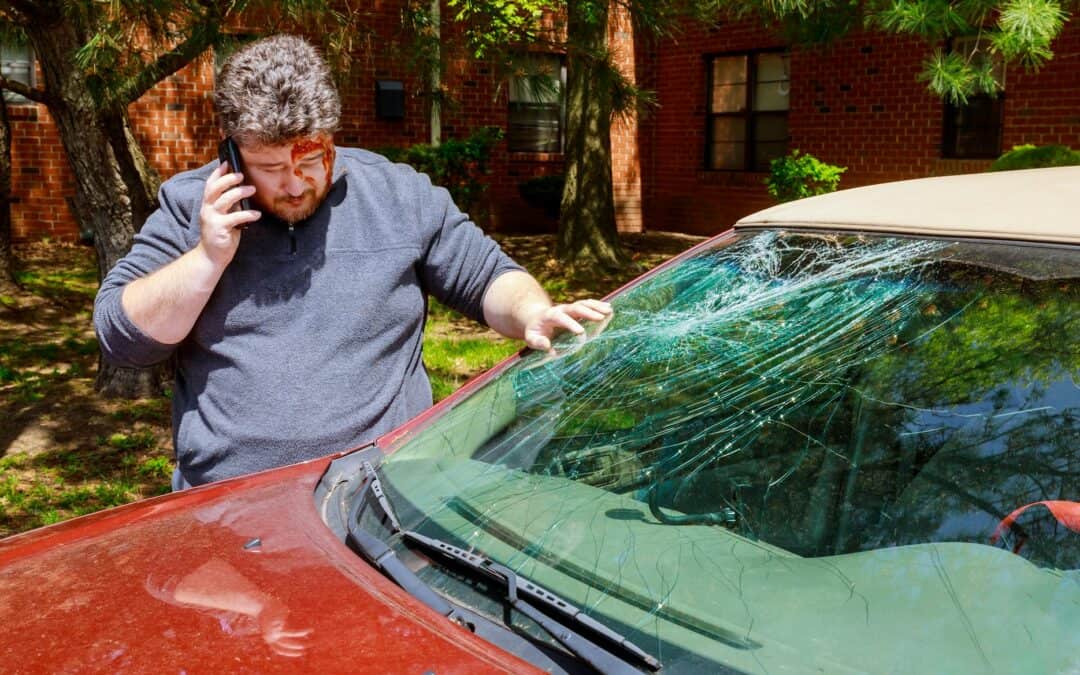
If you’ve been involved in a semi-truck crash, you’ll probably start hearing from insurance companies pretty quickly. They may call while you’re still shaken up, trying to get information or asking for a recorded statement. Knowing how to communicate with them can make a big difference. A wrong word or sharing too much can hurt your chances of getting the support you need to recover.
Truck accidents are often more serious than other kinds of crashes. That means the legal process can get complicated fast. Especially in Aurora, Colorado, where state traffic laws, insurance rules, and liability questions all come into play. Being careful and clear with insurance companies helps protect your rights while you focus on healing from the wreck.
Steps To Take Immediately After A Semi-Truck Crash
Right after a crash, it’s easy to feel overwhelmed. But there are a few things you should do as soon as you can. These steps can help build the foundation for your insurance claim and any legal action you might take later.
1. Make sure you’re safe
If you’re able, move yourself and others out of harm’s way. Call 911, and don’t leave the scene. Even if you think your injuries are small, let the paramedics check you out. Some injuries take hours, even days, to show symptoms.
2. Get medical help
Medical treatment isn’t just for your health. It also creates documentation that could come into play later, proving the extent and timing of your injuries.
3. Document the crash
If possible, take photos of damage to your car and the truck, the road conditions, license plates, and any signs or signals nearby. Try to get the contact info for witnesses too.
4. File a police report
In Colorado, it’s required to report an accident if there are injuries or significant damage. Officers who respond will file an accident report, which can be helpful later during insurance claims or lawsuits.
5. Avoid talking too much at the scene
Be cooperative with police and paramedics. But don’t get into long conversations with the truck driver or try to explain what happened. You don’t want your words used against you later.
Initial Contact With Insurance Companies
Once the crash is reported, insurance agents will likely reach out fast. How you speak with them can affect how much you’re offered in a settlement or if your claim is even accepted.
Here’s what you need to know when that first call comes in:
– Stick to the basics: Give them your name, date and time of the crash, and policy number if asked. Don’t say anything about fault.
– Avoid going into details: Even saying “I’m sorry” could be taken as an admission of guilt. It’s better to keep answers short and stick with facts.
– Don’t agree to a recorded statement right away: These recordings can be used later to twist your words. Politely tell them you’ll need time to gather information or speak to your lawyer first.
– Keep track of what’s said: Write down who you talk to, when you talked, and what was discussed during each call.
– Ask for a copy: If the other party’s insurance takes a statement, request a copy in writing.
For example, if a driver in Aurora was sideswiped by a semi-truck while merging onto I-225, they might be contacted by both their own insurer and the trucking company’s. Saying something simple like, “I didn’t see them coming,” during a recorded call could later be used to argue partial fault. It’s safer to hold off and get clarity before speaking again.
Truck crashes can trigger involvement from multiple insurance providers, each with different priorities. Handling those calls the right way protects your story from getting twisted or used to lower your payout.
Navigating Insurance Adjusters’ Inquiries
Insurance adjusters aren’t just trying to gather facts. They’re hired to protect the insurance company’s interests, figuring out how little they can pay to settle your claim. That doesn’t mean you should ignore them, but you should be careful about how you respond.
If an adjuster from either your insurance company or the trucking company reaches out, expect some very specific questions. They might ask things like, “Where were you looking before the crash?” or “Were you speeding?” These types of questions are designed to catch you off guard or lead you to unknowingly accept responsibility for part of the crash.
In Aurora, Colorado, fault plays a big role in how much compensation you’re allowed to receive. Under modified comparative negligence rules, if you’re found to be more than 50 percent at fault, you may not collect damages. That’s one reason why it’s smart to never admit fault, directly or indirectly, when speaking with adjusters.
To protect yourself during these calls:
– Ask for the adjuster’s name, their company, and claim number before answering anything
– Keep your answers brief, sticking to facts already in the accident report
– Let them know you’re still gathering information
– Never guess. If you’re unsure about something, say you don’t recall instead of filling in unknowns
– Don’t feel pressured to make timelines or commit to any numbers right away
Even calls that seem routine can trip you up. One common situation involves adjusters asking if you’ve gone back to work yet. A simple “yes” can later be used to argue you’re fully recovered. It’s better to say you’re following your doctor’s orders and any updates will come through proper documentation.
Working With Accident Lawyers in Aurora
After any serious crash, especially one with a commercial truck involved, handling everything on your own can end up hurting your case. Accident lawyers who work with truck crashes understand how insurance companies operate. They’ve handled enough cases to know the tactics used in these investigations.
Hiring an accident lawyer in Aurora means you have someone who knows Colorado’s laws and local court rules. They also know how trucking companies tend to approach accident claims. Many lawyers step in to deal directly with the insurance companies so you don’t have to field frustrating phone calls or worry about saying the wrong thing.
The help you get doesn’t stop at communication. Lawyers also:
– Gather and preserve evidence like medical records, traffic cam footage, and witness statements
– Track costs related to your injuries, recovery, and damage to compare with insurance offers
– Negotiate with insurance adjusters for settlements that reflect long-term care or lost wages
– Push back when those lowball settlement checks show up
If settlement talks break down, your lawyer will also be the one to file a lawsuit and argue your case in court. Most accident cases in Aurora settle before trial, but it helps when the other side knows you’re ready to go the distance.
Securing Fair Compensation Step By Step
Getting a fair outcome takes more than luck or a nicely worded insurance claim. You’ll need to prove the worth of your damages and show how the crash changed your life.
To make that happen, keep these steps in mind:
1. Gather all injury-related documents
This means ER reports, doctor visits, therapy sessions, and any scans or test results. If you had to take unpaid time off work or lost a job, get paperwork for that too.
2. Keep track of how the crash affects your life
Document days when pain, anxiety, or other issues keep you from daily tasks like driving or walking your dog. Small things add up.
3. Call out every expense
It’s not just hospital bills. Any assistive equipment, medication, transportation to doctor visits, or out-of-pocket costs should be collected and organized.
4. Review the first insurance offer carefully
Early offers are often lower than you deserve. You aren’t required to take the first settlement, especially if you think it doesn’t cover long-term effects or full recovery needs.
5. Prepare for court, just in case
If the case needs to go further, your lawyer will file the proper documents according to Colorado legal timelines. Most strong cases don’t end up in court, but being ready makes a difference.
Compensation should reflect both financial losses and the personal impact of the crash. Quick settlements from insurance companies often fail to capture the full picture. A slow-healing back injury, missed career opportunities, or ongoing treatment deserve to be factored in.
Why Who You Talk to Matters More Than You Think
The conversations you have with insurance companies after a semi-truck crash aren’t just small talk. They can make or break your claim. From the moment the crash happens, every move matters, from how you speak on the phone to the paperwork you gather.
Having someone who understands Aurora’s laws and knows how to deal with powerful insurance companies can take a load off your shoulders. It means you don’t have to carry the pressure alone, especially when it’s already hard enough just getting through the day. Let someone experienced handle the fine print, the calls, and the fight for what’s fair.
If you’re dealing with the aftermath of a truck accident, navigating the maze of insurance claims can feel overwhelming. Partnering with skilled accident lawyers can make a real difference in securing the compensation you deserve. Cave Law is ready to guide you through this process, standing up to insurance companies and helping you move forward with confidence.