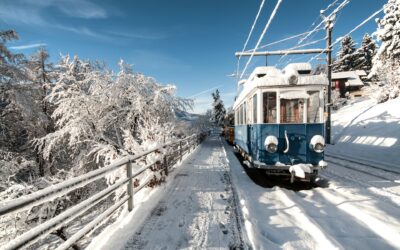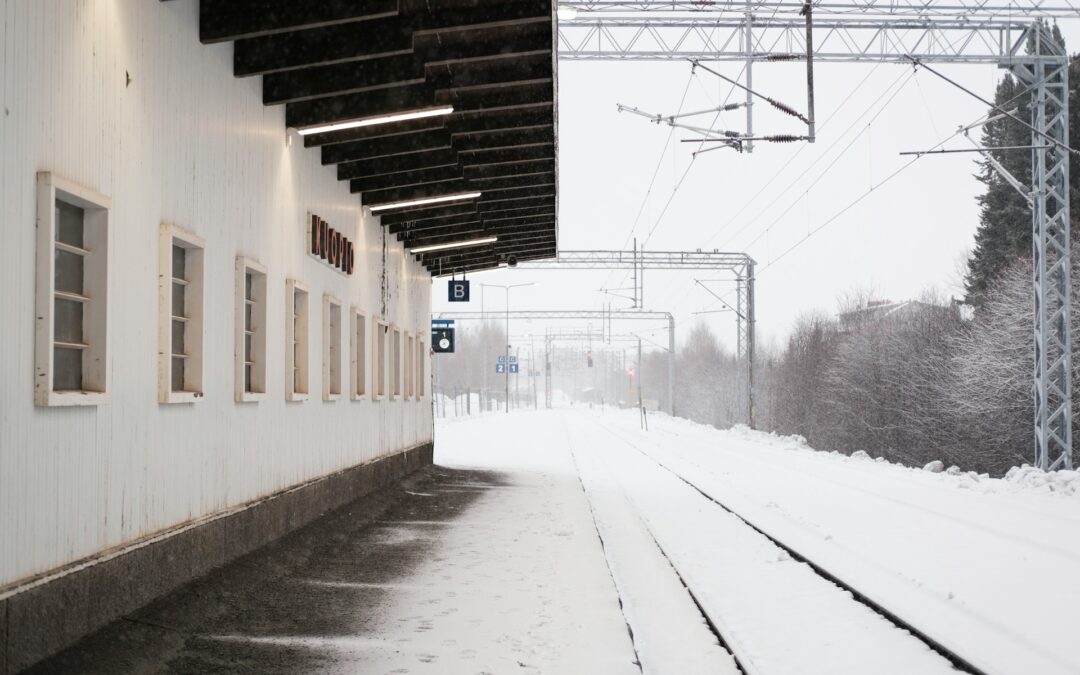
Winter in Denver brings more than just cold air and snow-covered mountains. For people who depend on the train, snow and ice can make something as simple as getting on or off the platform dangerous. Slippery walkways, uncleared ice patches, and poor lighting create more chances for serious injuries, especially on busy mornings or when trains are running behind schedule.
One wrong step on a slick surface could lead to a painful injury or even a life-changing situation. As train platforms freeze over, people become more vulnerable to falls that cause back problems, fractures, or worse. It’s important to know how these hazards form, which injuries tend to happen, and what people can do about it, especially when the ones in charge don’t take care of the conditions they’re responsible for.
How Snow And Ice Accumulate On Train Platforms
Most train platforms across Denver sit outdoors and are exposed to everything winter throws at them. That includes heavy snowfall, strong winds, and freezing rain. Once snow starts collecting, it doesn’t melt quickly. Low temperatures throughout December keep it frozen on walkways, ramps, and stairs.
Sometimes snow gets packed down from foot traffic and turns into sheets of solid ice overnight. If crews don’t shovel and treat the ice the next day, those icy patches can stay put for days or even weeks. Add freezing rain to the mix and the danger increases fast, especially when ice is hard to see.
Common ways snow and ice build up on platforms:
– Overnight snowfall that settles on walkways
– Melting snow during the day that re-freezes at night
– Ice forming under awnings or shaded areas where the sun can’t reach
– Gaps between maintenance shifts where staff don’t clear platforms fast enough
Train stations that serve a high volume of passengers usually have better maintenance routines. Still, not every platform gets cleaned quickly, and that delay puts anyone walking on it at risk. If you slip and get hurt in these conditions, it’s worth looking into whether poor maintenance or slow action played a role.
Common Injuries From Snow And Ice On Train Platforms
When train platforms turn icy, injuries can happen fast. A slip on an icy step or ramp can throw your body off balance in a second. Some people get lucky and walk away with just a bruise. Others face weeks, months, or even long-term recovery.
Here are injuries people often suffer on icy train platforms:
– Sprained wrists and ankles from trying to catch themselves during a fall
– Back or shoulder injuries from taking a hard hit to the ground
– Bone fractures, especially in arms, legs, or hips
– Concussions from hitting the head during a sudden fall
– Spinal injuries that can limit movement or cause long-term problems
Many injuries don’t show up right away. A back strain might seem minor and turn into something serious after a couple of days. Someone who hits their head might feel fine at first but begin feeling dizzy or confused later on. It’s not just about the fall, it’s about how that injury changes everyday life—missing work, needing help at home, or going to therapy just to feel halfway normal again.
If a train platform wasn’t cleared properly or there were no warning signs around icy patches, then someone likely failed to do their job. That’s where things move from bad luck into legal territory. Under Colorado law, train services operating in Denver are expected to keep walkways safe. When they don’t follow through, injured commuters have the right to take action.
Preventive Measures For Commuters
Staying safe on Denver’s icy train platforms doesn’t always guarantee accidents won’t happen, but some habits can lower the risk. Winter conditions change often, so being prepared before leaving home can make all the difference. Even small actions help when it’s dark out or when platforms haven’t had enough time to be cleared.
Here are a few actions that commuters can take to protect themselves:
– Wear shoes or boots with good grip. Smooth soles are more likely to slip on icy ground.
– Take smaller steps and walk more slowly than usual. It gives you better control on slick surfaces.
– Avoid running to catch your train. It’s a lot easier to fall when your body is moving too fast.
– Look for dark spots on concrete. These might be black ice and can blend in with wet pavement.
– Use handrails whenever they’re nearby, especially walking up or down stairs or ramps.
If you notice a platform looks unsafe—maybe snow hasn’t been cleared or there’s no salt on visible ice—report it to the onsite station office or call the local transit authority. It might seem like a small step, but calling it out could stop someone from getting seriously hurt later. Don’t underestimate the value of speaking up even if others choose to say nothing.
Nobody can be expected to walk perfectly or know exactly where the next patch of ice is hiding. What matters is that platforms should be as safe as possible. When the people responsible don’t do their part, commuters shouldn’t be blamed for what happens next.
Legal Rights And Seeking Compensation
Slipping on a snowy platform may feel like just an accident, but sometimes it happens because someone didn’t do their job. In Colorado, including places like Aurora and Denver, public transit systems must keep boarding areas safe. That means clearing snow, adding de-icing products, and putting up warning signs when things get slick.
According to Colorado premises liability law, if the people in charge of a property allow a dangerous condition to exist and don’t fix it, they can be held accountable after someone gets hurt. That goes for train stations and platforms passengers walk through every day. If you slipped because snow wasn’t removed or no one checked for ice, you may be able to file a personal injury claim.
What you might recover in a claim:
– Medical expenses and ambulance or ER visits
– Lost wages from time away from work
– Pain and suffering from the injury or its effects
– Long-term therapy, rehab, or ongoing care
Working with a railroad injuries attorney based in Aurora can make a big difference. These cases are tough because they involve large agencies or city-run operations. Someone familiar with injury cases involving transit systems in Colorado knows what paperwork to file, who to contact, and which local timelines matter most.
Delaying action can affect your case. That’s why it’s best to reach out as soon as possible after the injury happens to see what your options look like.
Stay Safe and Know Your Rights This Winter
Denver winters don’t take it easy on commuters. Snow and ice can turn your everyday train ride into something dangerous. Even if you try to stay safe, you still might slip—especially if the platforms weren’t cleared or if warnings weren’t posted when they should’ve been. That’s not just frustrating, it can be a real problem when someone gets hurt.
Nobody should have to deal with the impact of a fall alone. Whether you ended up with a sprain, a fracture, or something more serious, knowing where to turn next matters. If the people in charge failed to make the walkways safe, they might be the ones responsible, not you.
Being prepared, asking questions, and seeking legal help when something feels off can go a long way. You deserve to walk on a platform without wondering if each step might lead to injury. Knowing your rights is the first step to protecting yourself and others.
If you’ve been hurt because of icy or dangerous conditions on a train platform in Aurora, it’s important to know your legal options. At Cave Law, a skilled railroad injuries attorney can help you understand your rights and pursue compensation for what you’ve been through. Don’t wait to get the guidance you need—reach out today and take the first step toward recovery.