Emergency brake systems on trains play a big role in keeping passengers safe. These systems are built to respond fast, whether it’s to avoid a crash, slow down during a hazardous condition, or stop the train when something goes wrong. In a perfect world, they’d always do their job without fail. But that’s not always the case. When they don’t work the way they should, passengers are the ones who face the danger.
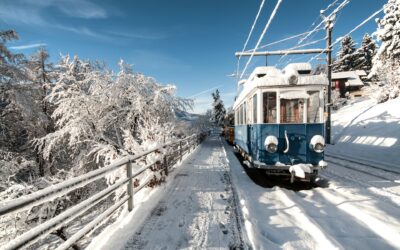
In cities like Aurora, Colorado, things often get worse in winter. Trains deal with tough conditions like icy tracks and sudden freezing temperatures. All that cold air and snow can mess with braking systems and raise the chance of a problem. That’s why understanding what causes these emergency brake failures and what the risks are can really matter, especially if you or someone you know takes the train often.
Common Causes Of Emergency Brake Failures
Train brakes aren’t one-size-fits-all. Emergency systems usually depend on equipment that has to work under pressure, quite literally. And when even one part falters, the whole system can go down. Here are some of the main issues that can lead to brake failures, especially in Aurora during colder months:
1. Mechanical Malfunctions
– Brake pads, air hoses, and control valves can wear down over time
– Poor maintenance or skipping inspections can let these problems build up
– In some cases, the wrong replacement parts might be used, leading to faster wear
2. Cold Weather Impacts
– Low temps can freeze brake lines or make rubber and plastic components brittle
– Ice on the tracks can cause sensors to misread conditions or make it harder for the brakes to grip properly
– Sudden drops in temperature at night can tighten or crack fittings, creating air pressure loss
3. Human Error
– Even trained professionals can make mistakes. Forgetting to double-check brake connections during routine checks is one common issue
– Miscommunication between crew members could lead to delayed responses or system testing errors
– Over-reliance on automated alerts may lead some to overlook warning signs
4. Software Failures
– Modern trains often rely on tech-based braking systems. If the software controlling the brakes glitches, it may delay how fast the emergency brakes kick in or fail to activate them at all
– Poor programming during updates or skipped patches might open the door to avoidable problems
Train companies in Colorado are expected to follow maintenance rules to keep passengers safe, and that includes staying up to date on seasonal inspections. But when corners are cut, the consequences fall on the people riding the train. Aurora, being part of a larger rail network, sees plenty of train traffic, and not all systems get the attention they need.
Impact Of Brake Failures On Passenger Safety
When a train’s emergency brakes fail, even for a moment, safety is at risk. It’s more than just a bumpy ride. Some of the outcomes can be dangerous or even life-altering.
Here’s what can happen when these systems don’t do their job:
– Derailments: If brakes don’t stop the train in time, especially around curves or when switching tracks, it can go off the rails
– Collisions: Whether it’s with another train, an obstruction, or a vehicle on a crossing, brake failure cuts down the chance to stop in time
– Sudden Stops: If the brakes fail and then jolt into action suddenly, it can throw passengers forward or off their seats, causing injuries
One example involved a commuter train near Aurora that couldn’t stop fast enough due to frozen components paired with a control error. The train ended up sliding past a station platform, leading to falls and injuries for riders trying to disembark. It’s a reminder that even a short disruption in brake performance can cause serious issues.
Injuries from these kinds of incidents can vary. Riders may suffer from:
– Broken bones
– Back or neck strain
– Head injuries
– Cuts or bruises from being thrown against hard surfaces
These injuries often call for emergency care and can lead to longer-term problems. That’s why it’s important for anyone involved to know what their legal rights are and what avenues exist for holding someone accountable under Aurora’s personal injury laws.
Legal Rights And Protections For Injured Passengers
If you’re hurt in a train crash or incident due to brake failure, you have legal rights under Colorado law. In many cases, these accidents are preventable. That means someone, like a train operator, railroad company, or even a maintenance contractor, may be held responsible for the failure.
Aurora follows Colorado’s personal injury laws, which cover accidents involving negligence. If brakes didn’t work because of skipped maintenance, poor inspection, or a known defect, the injured passenger may be eligible for compensation. That can go toward things like medical bills, time off work, or pain that affects your quality of life. Even emotional distress may be covered in more serious cases.
To file a claim, the injured person would need to show that there was a duty of care, that duty was broken, and the failure led to their injuries. Railroad companies are considered common carriers, which means they’re held to a high standard of safety under the law. If they fail to meet that standard, they may be legally responsible for the harm caused.
A train injury lawyer in Aurora can help gather the right evidence and guide victims through the legal process after a train-related injury. That includes working with investigators, pulling maintenance records, gathering eyewitness accounts, and preparing for court if needed. Legal help is especially important when big rail companies or insurance firms try to downplay what really happened.
Preventative Steps And What Passengers Should Do After An Incident
While passengers can’t control whether a brake system functions properly, they can take steps that make a difference before and after something goes wrong.
Here are practical tips to follow:
– Pay attention to announcements from the train crew. They often share updates if anything seems off
– If the train stops suddenly or behaves strangely, brace yourself when moving through the cabin and remain seated when possible
– Report anything unusual. Strange noises, strong smells, or odd movements should be mentioned to staff right away
– After an incident, take photos of the scene if you’re able. That could include damage inside the cabin or what’s visible outside
– Get checked by a doctor even if you feel fine. Some injuries show up hours or days later
– Speak to witnesses around you and gather names and contact details if they’re willing
– Keep a copy of your train ticket and any paperwork you receive from staff
After an accident, making sure your health comes first is key. But once you’re safe, documenting everything helps support potential claims later. Whether it’s a fall, a sudden jolt, or a more serious injury from a crash, the steps you take afterward can shape what comes next.
Staying Alert During Winter Rail Travel in Aurora
Winter can create unpredictable challenges for train travel. That’s why it helps to stay alert and ready for anything unexpected. Emergency brake failures might not happen often, but when they do, they can lead to real harm.
To stay safe, passengers in Aurora should keep an ear out for odd sounds, tightly hold railings when moving, and try not to walk through cars when the train is speeding or shifting tracks. Trusting your instincts matters too. If something feels wrong, speak up. Cold weather doesn’t just affect you, it affects the systems keeping everything on track.
Knowing your rights and being prepared makes a big difference after a train emergency. Winter travel in Colorado can be beautiful, but it comes with its own set of risks. If an incident does happen, taking the proper steps early on can protect both your health and your case.
In the event of a train accident, having knowledgeable legal support is important. If you’ve been affected by a brake system failure or any train-related incident in Aurora, know that help is available. Reach out to a skilled train injury lawyer in Aurora at Cave Law to explore your options for compensation and protection. Your rights matter, and getting experienced advice can guide you through the process of holding the responsible parties accountable.