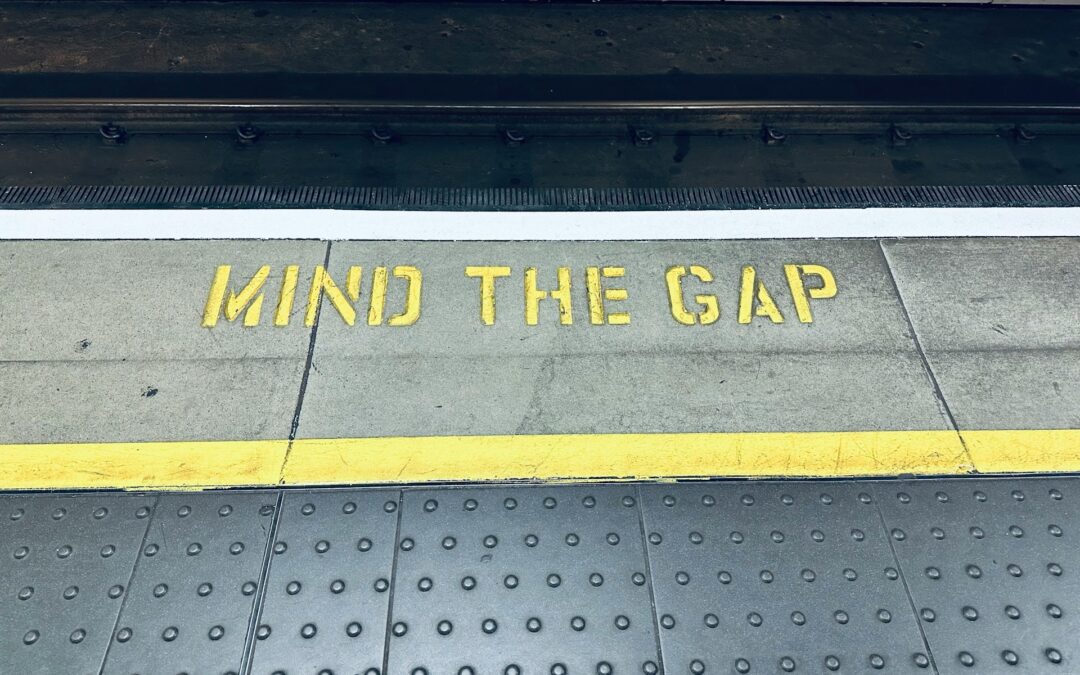
Stepping on or off a train platform should feel routine. But when the gap between the train and the platform is wider than expected, that simple step can lead to a serious fall. In Denver, platform gap accidents have become a growing concern, especially in busy stations that weren’t built to match today’s accessibility and safety standards. These incidents don’t just cause minor scrapes. They’re often linked to fractured bones, head injuries, and long recovery times that affect everyday life.
The legal side of these accidents can be tricky, especially when trying to figure out who is responsible. Passengers often don’t realize that railway companies and station operators have a duty to keep boarding areas safe. When they don’t, and someone gets hurt, there may be grounds for legal action. Learning more about how these accidents happen and what steps to take can make a big difference in both healing and holding someone accountable when it matters most.
Common Causes of Train Platform Gap Accidents
There isn’t just one thing that causes someone to slip or fall due to a gap between the train and the platform. In many cases, it’s a mix of design issues, poor upkeep, and human error. In Denver, stations from different eras often come with uneven platform heights or gaps that vary from train to train.
Here are a few leading causes:
– Uneven construction: Some stations were designed decades ago and may no longer line up well with newer trains. That misalignment leaves a larger horizontal or vertical gap.
– Poor maintenance: When train services don’t perform regular checks or repairs to platforms or train cars, it increases the chances of unsafe gaps appearing.
– Failure to warn: Not all stations clearly mark where bigger gaps exist, and sometimes there’s no audio or visual warning for passengers when there’s a known hazard.
– Weather-related wear: Snow, ice, or rain, especially in colder months around the time this article goes live in November, can make surfaces slick, increasing the danger even when the gap isn’t very large.
– Boarding mistakes: Not every accident falls on the station or operator. In some cases, someone might be distracted by their phone or rushing to board, resulting in a misstep.
Sometimes, it’s all of these things happening together. For example, a commuter might rush to catch a train on a snowy afternoon at a station with an older platform. A slippery patch, combined with an uneven step into the railcar, can turn a normal commute into an unexpected ambulance ride.
Potential Injuries from Platform Gap Accidents
What might seem like a minor fall can cause real damage. One wrong step across a wide platform gap can lead to a hard landing on concrete or even getting caught between the train and the platform’s edge. Injuries like these take time to recover from and can mess with a person’s work life, home life, and mental well-being.
Common injuries from gap accidents include:
– Sprained ankles or wrists from trying to catch a fall
– Broken bones, especially hips, legs, arms, or ribs
– Cuts and deep bruises from hitting the edge of the platform
– Head injuries from unintended impact
Beyond the physical harm, many people deal with lingering fear or anxiety about using public transportation again. That’s especially true for older adults or those relying on trains to get to work or medical appointments. What should have been a quick ride turns into something to be nervous about.
For anyone who travels regularly in Denver, that worry can build up fast and start changing day-to-day routines. Missing work or canceling plans because of injury-related stress isn’t just frustrating. It can affect a person’s finances, too. That’s why knowing how these types of injuries happen and how severe they can be is really important when deciding what steps to take next.
Legal Responsibilities and Liability in Denver
When someone gets hurt because of a wide platform gap, the question of responsibility is a big one. In Denver, train operators and station managers are expected to keep things safe for passengers. That means fixing problems before someone falls, warning people about tricky areas, and making sure the space between the train and platform stays within safe limits.
Colorado law says property owners, like transit companies, have to take reasonable steps to prevent harm. This includes regular inspections, posting clear signs, and responding to complaints about dangerous conditions. If they skip those responsibilities and someone gets injured, they could be considered legally at fault.
But Denver’s legal system doesn’t always place the blame on just one person or group. It follows a comparative fault rule. That means more than one party can be held responsible for an accident. If a passenger was looking at their phone and missed a step while the station also failed to repair a known platform issue, both the rider and the station might share responsibility.
Liability can also extend beyond just the train operator. Maintenance companies, platform designers, or even contractors could be involved, especially if the structure had known problems and no one acted. So figuring out who’s legally responsible may take more than just pointing fingers. It usually requires some digging into inspection records, operational logs, or repair history.
People injured in these accidents often don’t get this information right away. That makes it even more important to take early action and understand the steps that help support a legal case if needed. Missing one deadline or misplacing one detail could make the difference between a successful claim and a denied one.
Steps to Take After a Platform Gap Accident
The moments after a fall can be overwhelming, but they matter. What happens during those early minutes and days can make a big difference when it comes to recovery, both physically and legally. Here’s a basic list of what to do after a train platform gap accident in Denver:
1. Get medical attention right away. Even if nothing feels broken, pain can show up later. Some injuries, like concussions or sprained joints, aren’t obvious at first.
2. Report the incident. Talk to a train worker, station manager, or emergency responder. Give them the details of what happened and where it took place. If there’s an official report, ask for a copy.
3. Take photos if you can. Pictures of the scene, your injuries, and the surrounding area may come in handy later. Try to capture the part of the platform or train where the fall happened.
4. Look for witnesses. If anyone else saw the accident or helped you after the fall, ask for their name and contact information. Their input might help confirm what really happened.
5. Document your injuries and recovery. Write down doctor visits, symptoms you’re feeling, and days you’ve had to miss from work or regular activities. These can help show how much the injury affected you day to day.
6. Don’t give statements or sign forms immediately. You might be asked for your side of the story by people working for the train system or their insurance providers. It’s usually safer to wait before speaking to them officially.
People sometimes feel pressure to move on right away or think their injury isn’t bad enough to cause concern. But what may seem minor at first can lead to issues that don’t go away quickly. Taking the right steps early gives you a better chance to handle whatever comes next.
Staying Safer and Knowing Your Rights
Platform gap accidents happen quickly, but their effects can stretch on for months. A missed step can lead to surgery, time off work, and pain that keeps you from doing the things you enjoy. The emotional side, like the worry that the same thing could happen again, is just as real.
Staying informed helps you avoid trouble in the future. Knowing which stations tend to have wider gaps, watching your footing during bad weather, and speaking up about safety issues if you notice anything off are good habits to practice. But it’s not just about being careful. Riders have a right to expect safe boarding areas and trains that meet basic standards. When that doesn’t happen, responsibility doesn’t fall on your shoulders.
Whether an injury just happened or you’re still living with the effects of one months later, knowing your rights under Colorado law can provide a clear path forward. Trains are part of daily life for a lot of people in Denver, and safety should always come first no matter how hectic your schedule gets.
If you’ve been involved in a train accident in Denver, the law in Aurora, Colorado may offer protections you’re not aware of. At Cave Law, we know how overwhelming the aftermath can feel, and we’re here to walk you through your options so you’re not left trying to figure it all out on your own.