Train travel is a regular part of life for many Aurora residents. Whether you’re heading into Denver for work or catching a ride to a nearby stop, using local trains is convenient and usually pretty smooth. That said, like any mode of transportation, it comes with its own set of risks. Accidents might be less frequent than car crashes, but when they do happen, they can be serious. That’s why knowing how to stay safe around stations and trains isn’t just smart—it can really make a difference.
Aurora’s train stations serve hundreds of daily riders. The safety rules in place are there to protect each person who steps on or off the platform. From the moment you walk into a station to the time you exit the train, following a few key safety habits can help prevent injuries, reduce stress, and keep everyone safer. Whether you’re a seasoned commuter or a first-time rider, it helps to understand the layout of local stations, how to board safely, and how to act during the ride.
Know The Station Layout
Before stepping onto a train, take a moment to get familiar with your surroundings. Aurora’s RTD stations have layout maps, signs, and directions that make it easier to figure out where to go. But it’s easy to overlook them if you’re distracted or in a rush.
Here are a few things you should check every time you use a station:
– Look for the posted station maps near the entrances or platforms. These usually mark exits, restrooms, elevators, and emergency points.
– Identify all entrance and exit points. Some stations may have more than one, so knowing your options can help if anything unexpected happens.
– Check where the security call or help boxes are located. These can be used if you’re lost, injured, or need to report anything suspicious.
– Locate the stairs, escalators, and elevators, especially if you’re traveling with a stroller, luggage, or have physical difficulties.
– In uncovered stations during summer, note shaded waiting areas so you’re not exposed to long periods of sun.
Taking a few minutes to look around and absorb the layout could save you time and help you stay safe in an emergency.
Boarding And Alighting Safety
Getting on and off a train might seem straightforward, but many injuries actually happen during these steps. Stepping into a moving train, tripping over luggage, or rushing onto a packed car can all lead to falls and worse. It’s important to stay alert and follow the safety markings and signals you see around the platform.
Here are some basic but important habits:
– Always stand behind the yellow line on the platform’s edge. Some trains come in faster than others, and staying clear keeps you safe.
– Pay attention to platform announcements. These might tell you about schedule changes or safe boarding zones.
– Watch the gap between the platform and the train. Some cars stop lower or higher than the platform, which makes it easy to misstep.
– Never try to board after the doors start closing. It’s better to wait for the next train than to risk getting caught or falling.
– Let people get off the train first. It clears space and reduces pushing or crowding during boarding.
An example of this goes back to a man traveling to downtown Denver who tried hopping onto a train as the doors were closing. His foot got caught, and he lost his balance, falling backward onto the platform. Luckily, he wasn’t injured badly, but situations like this happen fast. Just letting go of the rush and taking an extra second can stop something worse from happening.
Safety starts with awareness. A platform might not seem dangerous at first glance, but it only takes one quick misstep to change your ride entirely. Having good habits during boarding and getting off the train helps make stations safer for everyone.
Safety During The Ride
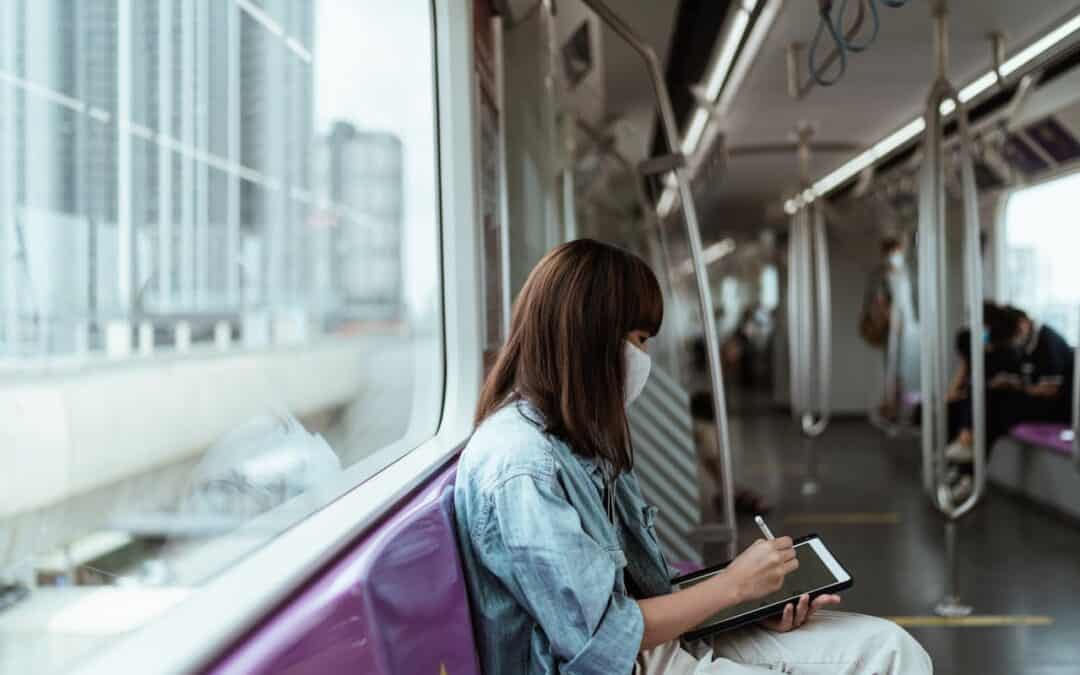
Once you’re on the train, it’s easy to let your guard down. You’ve found your seat or a place to stand, and now you’re just trying to get where you’re going. But safety doesn’t stop once the doors close. Staying tuned in to your surroundings can help you avoid accidents that might catch you off guard.
If you’re standing, always hold onto a handrail or metal pole, especially if the train is moving between stops. Trains can stop suddenly or sway on the tracks. If you’re not holding on, you could fall and hurt yourself or someone else. Avoid standing between railcars unless it’s the only way to reach your stop. Movement between cars can be shaky and risky. If you’re seated, keep your feet and belongings clear of walkways so others don’t trip.
It’s also smart to know where the emergency brakes and intercom systems are. These are usually marked and placed near doors. You don’t want to be learning their location during an emergency. If there’s any kind of incident—medical, mechanical, or otherwise—you’ll be able to act fast if you know where to go for help.
Keeping the train aisles clear isn’t just polite, it’s a safety matter. Bags in the walkway create hazards, especially during quick stops. And loud distractions like headphones at full volume can make it harder to hear instructions in case of a delay or emergency.
Personal Safety Tips During Your Commute
While the stations and trains are usually safe, it doesn’t hurt to stay cautious—especially during off-hours. If you’re riding early in the morning or late at night, try to bring a friend or travel in a group when possible. Busy times tend to feel safer because there are more people around and fewer dark, empty spaces.
Here are a few personal tips to keep in mind year-round:
– Keep your phone charged and easy to access but avoid flashing it around.
– Let a friend or family member know when you’ve boarded and when you’re expected to arrive.
– Stay in well-lit areas while waiting, preferably near other passengers or station workers.
– Trust your gut. If a situation feels uncomfortable or shady, switch cars or move closer to other riders.
– Report anything unusual—whether it’s a suspicious package or someone behaving aggressively. Use the emergency intercom or contact station staff right away.
During Aurora summers, dehydration and sun exposure are real concerns, especially at ground-level platforms with no shade. Carry a water bottle and wear sunscreen during daytime trips. In colder seasons, watch out for icy surfaces and slippery metal stairs, especially early in the morning. Colorado’s freeze-thaw cycles make that a regular hazard.
What To Do After a Train Accident
Accidents involving trains are serious and sometimes complicated. If you’re hurt in a crash, on the platform, or even during a sudden stop that causes you to fall, the steps you take next matter. No matter how small the injury may seem at first, always get checked out by a doctor. Injuries to your head, back, or neck can get worse with time, even if they don’t hurt right away.
Try to document everything. Take photos of the train, platform, or area where the incident happened. If your clothes were torn or bruises appeared, document those as well. If there are witnesses nearby, get their names and contact information. Their point of view might help later in confirming what happened.
Don’t throw away damaged belongings or use items that were torn or broken during the accident. These can help tell the story later. Keep any tickets or transit receipts, and if official reports are made with police, RTD security, or a hospital, ask for copies.
Train accidents fall under a specific set of laws in Colorado, especially when involving a public agency like RTD. Filing a claim may involve dealing with multiple parties which can quickly turn confusing without legal help.
Staying Safe at Aurora’s Train Stations
Following a few shared rules can go a long way in making everyone’s experience better. Things like standing behind the yellow line or keeping the aisles clear may sound simple, but they protect hundreds of people every day. When riders stay aware and respectful of others, commuting becomes safer and less stressful for everyone.
Aurora is always growing, and so is its transportation network. If you ride trains regularly, it’s worth taking a few moments now and then to check for updated signage or rule changes posted at the stations. Staying on top of your surroundings, keeping a level head in emergency situations, and knowing your rights afterward can all have a direct effect on your safety and peace of mind. Whether you’re hopping on for one stop or taking a long ride into Denver, a little awareness goes a long way.
Aurora’s train stations are built with safety in mind, but accidents between trains and vehicles can still happen. If you or someone close to you has been affected and needs help figuring out what to do next, legal support can make a difference. Reach out to Cave Law to speak with a personal injury attorney who understands how the law works in Colorado and can guide you through the next steps.