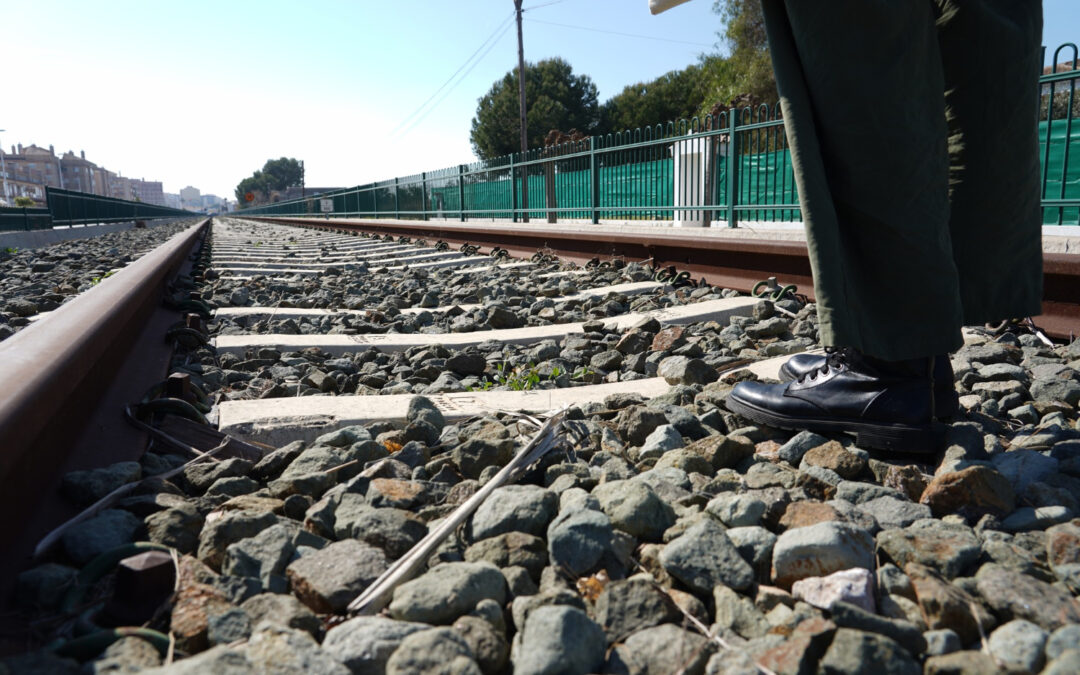
When a train glides across the tracks, most people don’t think twice about what’s underneath. But in Aurora, a buildup or sudden appearance of debris on train tracks can turn a regular ride into a dangerous event. Things like broken pieces of equipment, construction materials, or even natural debris can cause trains to jolt unexpectedly. These things may sound small, but when you’re moving at high speed, they can put passengers and train workers at risk.
Accidents involving debris might seem rare, but they tend to catch people off guard. And when they happen, folks often don’t know who’s responsible or what steps they should take next. That’s why it helps to learn how these situations happen, what kind of injuries they can cause, and what your rights look like under Aurora law. The damage isn’t always just physical. The stress, medical bills, and confusion after an accident like this can stick with someone much longer than the ride itself.
Common Causes Of Train Track Debris Accidents
In a city like Aurora, where train routes run across areas under development, the chance for debris piling up or going unnoticed is always present. Tracks go through construction zones, wooded areas, and places where people may leave behind things accidentally or on purpose. Understanding where that debris comes from helps make sense of who might be responsible when an accident happens.
Here are some common sources of debris that end up on tracks:
– Construction debris: As Aurora continues to grow, there are more job sites near or even above train routes. Scattered nails, wooden boards, broken cement, and even scrap metal can fall or be blown onto the tracks. If there’s poor planning or weak barriers around these areas, it’s easy for materials to end up where they shouldn’t be.
– Natural elements: Trees don’t follow work schedules. Storms can knock down branches or blow piles of leaves onto the tracks. When that stuff isn’t cleared, it can mess with how the train moves through switches or turnouts. During fall and early winter, this kind of debris becomes more common.
– Litter and man-made trash: Personal items left behind by pedestrians, like shopping carts or furniture, can cause major problems when hit by a train. Sometimes people dump old junk near the tracks thinking it won’t matter, but it does. It puts innocent passengers in harm’s way.
– Poor maintenance routines: Even regular wear on the tracks themselves can lead to pieces breaking off and sitting idle between runs. When there’s no strong upkeep plan, little things like loose bolts and clipped wire ends stay behind long enough to trigger a problem.
Any of these sources can end up under the wheels of a passenger train. If no one’s watching the tracks or clearing that debris fast enough, a normal ride can become a dangerous event. For passengers in Aurora, especially those using trains as part of their daily routine, it’s worth knowing that these accidents could involve a party that failed to complete their job properly.
Potential Injuries Resulting From Debris Accidents
When trains hit debris, the results can be immediate. Depending on the size and type of object, a train could swerve slightly, come to a harsh stop, or send a jolt through the railcar. While these impacts might not seem serious on the surface, they often cause surprising injuries, especially to riders who are standing or not holding onto anything at the time.
The kinds of injuries people face include:
– Sprains and fractures: Sudden shocks can throw passengers off balance. It’s easy to catch a foot on a corner, twist a leg, or fall into metal seat frames.
– Cuts and bruises: Flying debris or broken glass may cause surface wounds, especially near windows or doors.
– Back, neck, or shoulder injuries: Whiplash-like movement can happen when the body is quickly slammed in one direction and then another. That’s especially rough on older folks or those with previous injuries.
– Head trauma: Even small bumps can lead to more serious brain injuries, particularly if someone falls hard and hits a solid part of the train.
– Emotional stress or anxiety: After an unexpected event like this, many riders report nervousness or fear around using trains again. That kind of mental discomfort can be just as tough to manage as physical pain.
One example happened just east of Aurora, where a train rolled over a discarded metal sign left behind near a road repair zone. The jolt wasn’t enough to derail the train, but multiple passengers fell hard. Some needed follow-up care for back injuries, and several had cuts from where they struck sharp surfaces.
These injuries don’t always show up right away. Symptoms can set in slowly, especially when the body’s responding to stress. That’s why passengers often underestimate how hurt they are at first. If you’ve been in a debris-related train accident, it’s smart to get checked out by a doctor even if you feel okay in the moment. Getting help early can make a big difference down the line.
Steps To Take After A Train Track Debris Accident
Right after a train accident, especially one caused by debris on the tracks, things can get confusing. The noise, the impact, and the sudden stop can catch anyone off guard. But it’s important to keep a level head and take some smart steps that can help protect your health and your future.
Here’s what to do:
1. Get medical care immediately – Some injuries might feel minor at first but could become more serious later. Even if you don’t think you’re badly hurt, getting checked out by a doctor is the safest move.
2. Report the accident – Let a train employee or conductor know what happened. Train operators in Aurora are expected to report these incidents. If nothing else, it creates a record that you were there and experienced the event.
3. Document as much as you can – Take pictures of the scene if you’re able. Snap photos of where you were sitting or standing, debris that might’ve caused the jolt, and any visible injuries. If others nearby saw what happened, ask for their names and contact info.
4. Hold on to paperwork – If you’re treated by a doctor, keep any medical records or hospital discharge papers. If you miss work, collect anything that proves lost income, like recent pay stubs or a note from your employer.
5. Avoid giving statements right away – You might be contacted by a train company representative or insurance adjuster. Be careful not to make any statements or sign anything until you’ve talked to someone who understands your rights.
Taking action quickly doesn’t just help your health. It also helps if a future claim needs to be filed. A clear timeline of what happened and how you responded makes it easier later when people start asking questions.
Train Operator Liability Under Aurora Law
In Aurora, train companies have a duty to keep tracks clear and riders safe. This means they must inspect tracks regularly, respond to reports of hazards quickly, and keep a safe space for passengers. When they drop the ball, they can be held responsible for injuries that happen as a result.
Colorado law allows injury victims to seek claims if carelessness or neglect is involved. This includes failing to remove known debris, ignoring maintenance schedules, or not warning passengers in time. Railroad companies can’t just shrug off their duty by blaming the weather or the actions of others, especially if regular checks could have prevented the danger.
Aurora follows a comparative fault rule. This means if more than one party contributed to the accident, each can be held responsible for their share. For example, if a construction company left materials near tracks and the train company failed to catch it in time, both might be held partly responsible.
The law gives passengers a way to stand up for themselves. But it’s filled with deadlines and paperwork, and the process isn’t always simple. Victims who try to handle claims alone often face delays or miss key evidence that could’ve made a difference.
How Cave Law Can Assist You
When people hear “law firm,” they sometimes picture courtroom drama or long legal battles. But a train accident law firm’s job often starts with something much simpler: listening. Gathering the facts, reading through reports, and understanding the full impact of the accident — that’s where real legal help begins.
An experienced firm knows the ins and outs of Aurora’s transportation rules and Colorado laws. This includes dealing with insurance companies, city departments, and private train carriers. They can figure out who’s truly responsible and work to get fair results.
Victims may be owed more than just medical coverage. There’s also lost wages, pain from long recovery times, and the emotional toll of dealing with the accident. Someone who’s faced a serious train injury deserves someone in their corner to fight for all of that.
Legal help goes beyond paperwork. A dedicated train accident law firm makes sure no detail is skipped, no deadline is missed, and your voice is heard throughout the process. For someone still recovering or unsure what to do next, that support can mean everything.
Moving Forward After A Train Debris Accident
No one expects their daily train ride through Aurora to end in an injury. But track debris accidents don’t give much warning. When they happen, it’s not always clear who’s at fault or how to handle what comes next. What starts as a quick jolt can lead to long recovery times, time off work, or mounting bills.
Taking the right steps helps protect your body, your rights, and your future. If something along the track or inside the train didn’t seem right, it probably wasn’t. That feeling matters and could be the starting point to getting the help you need.
Having someone on your side who understands Aurora law can bring not just answers, but peace of mind. Whether your injury felt small at first or turned out to be more serious, you’re not alone. The sooner you act, the better your chances of getting what you deserve.
If you’ve been affected by a train accident caused by track debris, understanding your legal options can make a big difference. Cave Law is here to offer support tailored to your situation. Learn more about how working with a dedicated train accident law firm in Aurora, Colorado can help you move forward with confidence. Reach out to us today to talk through your next steps and begin your path to recovery.