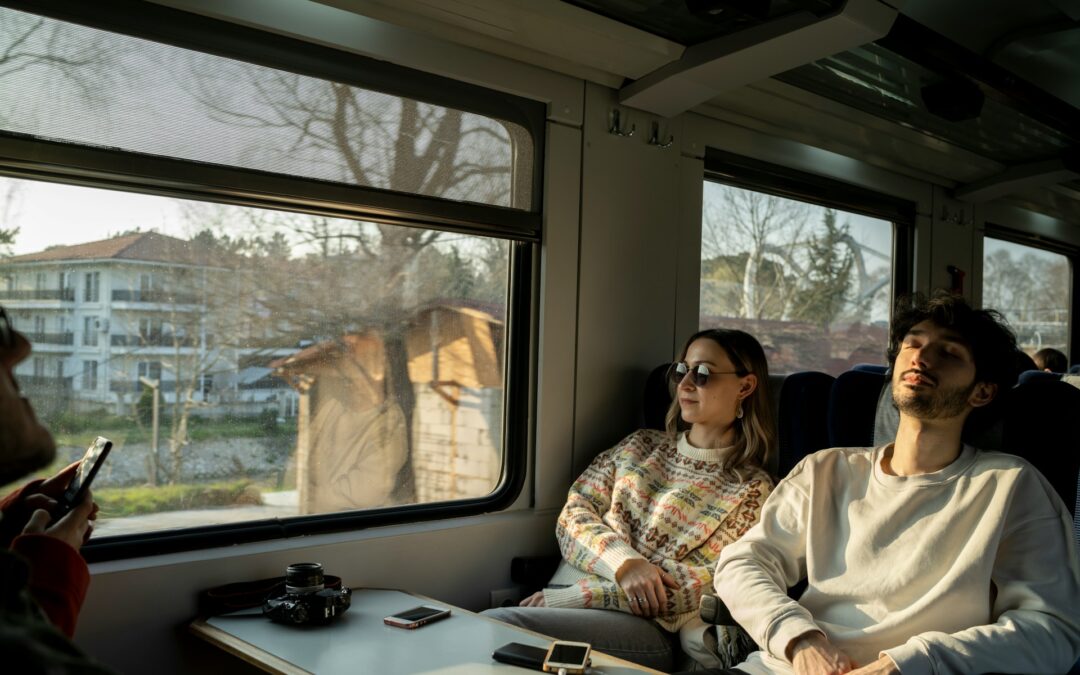
Train rides can be a peaceful way to get around Denver, but that doesn’t mean they’re always free from risk. While a lot of attention is given to railroad crossings and platform safety, one issue often goes overlooked: problems with train windows. These parts of the train might seem harmless, but when they’re poorly built or not kept up, they can lead to serious injuries. Late fall brings more people indoors and relies more on enclosed travel, which means more time spent beside those windows.
Whether you’re commuting into the city or heading home to Aurora from a weekend trip, it’s worth knowing how a faulty train window can affect your safety. Cracks, loose seals, or impact damage from outside debris are all possible issues. If these aren’t spotted or reported in time, they can create bigger problems than just a bad view. For passengers, knowing what to look out for and what actions to take could mean the difference between a smooth ride and a serious injury.
Common Train Window Safety Issues
While train windows are built to protect from wind, weather, and noise, they’re not perfect. Over time, they wear down. When maintenance is skipped or rushed, windows become weak points instead of strong barriers. There are a few key problems that tend to come up again and again:
– Cracks or chips in the glass that seem small but can grow under pressure or cold conditions
– Loose fittings that cause windows to rattle or shift during travel
– Poor seals, which can allow water in or cause fogging that blocks visibility
– Plastic panes in older trains that scratch easily and get brittle with age
During cold November days in the Denver area, temperature shifts can make these problems worse. A small crack may spread fast when the train body heats up inside while icy winds strike from the outside. Add strong gusts or airborne debris like branches or gravel, and the window may no longer hold up. There have been instances where sudden impacts caused windows to shatter or pop out entirely, catching passengers by surprise.
Sometimes passengers assume these problems have been reported or checked already, but that’s not always true. Depending on the train’s ownership and route, maintenance may be delayed or uneven. If windows aren’t regularly inspected, especially going into winter, those weaker components could stay unnoticed for months.
It’s also important to realize that older trains might still be in operation in this region. These cars often have windows that don’t meet newer safety standards. They could stay in service unless passengers or train staff flag real concerns or until an incident takes place.
Potential Injuries From Train Window Issues
When a train window fails, the injuries that follow can be painful and sometimes long-lasting. The type of injury depends on how the window breaks and what part of the body gets hit, but some common outcomes are easy to spot:
– Cuts and scrapes from shattered glass or bent metal parts
– Eye injuries from flying debris or dust that comes in after a seal breaks
– Bruising or blunt force trauma when a window pops loose or rattles hard enough to strike someone
– Cold-related injuries if the window fails during freezing temperatures
– Noise-related stress if windows are no longer insulated properly
Let’s say a rider is seated near the front, and an overhead branch strikes a weakened window panel. If the glass shatters inward, that person could suffer cuts across the face or hands. Even if it doesn’t break fully, a serious crack could leak freezing air in, lowering body temperature fast, which is especially dangerous if the rider is older or has a medical condition.
Long-term issues can follow. Nerve damage, scarring, or loss of function in a hand or wrist from deep glass cuts isn’t something most people recover from quickly. In some cases, broken windows turn into legal problems after someone reports that warnings had been ignored or minor repairs were skipped.
Many riders don’t realize how much a train company is supposed to do just to keep windows safe. And the more time someone spends on the train, commuting daily or traveling during colder seasons, the more chances there are to run into trouble. Understanding how injuries happen helps passengers stay alert and know when something doesn’t look safe.
Legal Responsibilities Of Train Companies
Train companies that operate in Denver and across Colorado have a legal duty to keep passengers safe. That includes making sure all parts of the train, including windows, are structurally sound. When they fail to inspect and fix known issues, they can be held responsible for any harm that follows. Under Colorado law, companies running public or private trains must take reasonable steps to maintain safety. That includes hiring qualified inspectors, fixing broken parts, and responding to passenger complaints about things like loose or cracked windows.
If a train company ignores a problem that any reasonable person would consider a safety risk, that could be used as evidence of negligence. This looks even worse if there are internal records of repeated issues or complaints. Courts in Colorado generally expect companies to get ahead of these problems, not wait until someone gets hurt.
In Aurora, both local and state rules may apply depending on how the train is operated. Some trains fall under city contracts, while others are managed by regional or private groups. Either way, the law still expects upkeep. Train carriers are seen as common carriers, which means they have a higher level of responsibility than other kinds of businesses when it comes to the safety of those on board.
That responsibility includes:
– Keeping accurate maintenance logs
– Regularly inspecting all train components, especially parts that affect passenger safety
– Responding quickly to repair requests or damage
– Warning riders if there’s a known risk that hasn’t been fixed yet
Failing to follow these standards could open the company up to legal action if someone is injured by something preventable, like a window that wasn’t fixed or a seal that was ignored for too long.
Steps To Take If You’re Injured By A Train Window
When a train window causes harm, your first thought might be confusion or even shock. But what you do next can make a big difference for your health and your legal options. These steps can help protect both.
1. Get Medical Attention
Whether it’s a deep cut, a blow to the head, or cold exposure, see a doctor right away. Some injuries don’t show symptoms until later, especially internal bruising or nerve issues.
2. Report the Incident
Tell a train employee or official that an injury just happened. Be specific: say where you were sitting, what time it was, and how the window failed. If there’s a dispatch or help line, use it to make an official statement.
3. Take Photos and Notes
If you’re able, take photos of the window and your injury. Write down everything you remember: what the conductor did, whether the train stopped, and names of anyone who came to help. Small details can help later.
4. Speak to Witnesses
Get the contact info of other passengers nearby. Even a simple “yes, I saw the window break” from a fellow rider could help support your case.
5. Talk to a Lawyer
There’s a difference between knowing something’s wrong and being able to prove it. A train injury lawyer with knowledge of Colorado personal injury laws can help guide the next steps, especially when it comes to train company responsibility.
Knowing how to respond quickly can protect your well-being and your legal rights before time passes or evidence disappears.
Staying Safe And Protecting Your Rights
Train travel may feel predictable, but accidents happen fast and often without warning. If something seems off, like a rattling window or a sudden draft, don’t brush it off. Let a worker on board know as soon as you spot an issue. Taking action, even on something small, might prevent a future accident, whether for you or someone else.
The cold months around November in Denver call for extra caution. As temperatures drop and materials expand and contract, weak spots in train windows can show up more often. Riders should dress appropriately, sit away from visibly cracked or foggy windows if possible, and avoid resting their heads or hands against any panes that seem unreliable.
If an injury does happen, it’s normal to feel overwhelmed. But staying calm, alert, and informed can help you take control. People dealing with physical recovery shouldn’t also have to figure out their legal rights alone. Getting help early means you’re not left trying to piece things together after the fact.
Being aware and informed gives you more control over your travel experience. Spotting issues, reporting them early, and understanding your rights can keep you safer—and better prepared if something goes wrong.
Experiencing an injury from a train window can be overwhelming, especially when it happens in a fast-moving situation. If you’ve been hurt, talking to a train injury lawyer who understands how cases are handled under Aurora laws can make all the difference. At Cave Law, we focus on helping injured passengers understand their rights and next steps clearly. Reach out today for guidance that’s built around your case and future well-being.