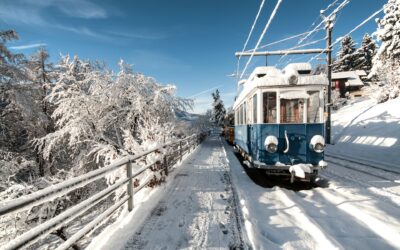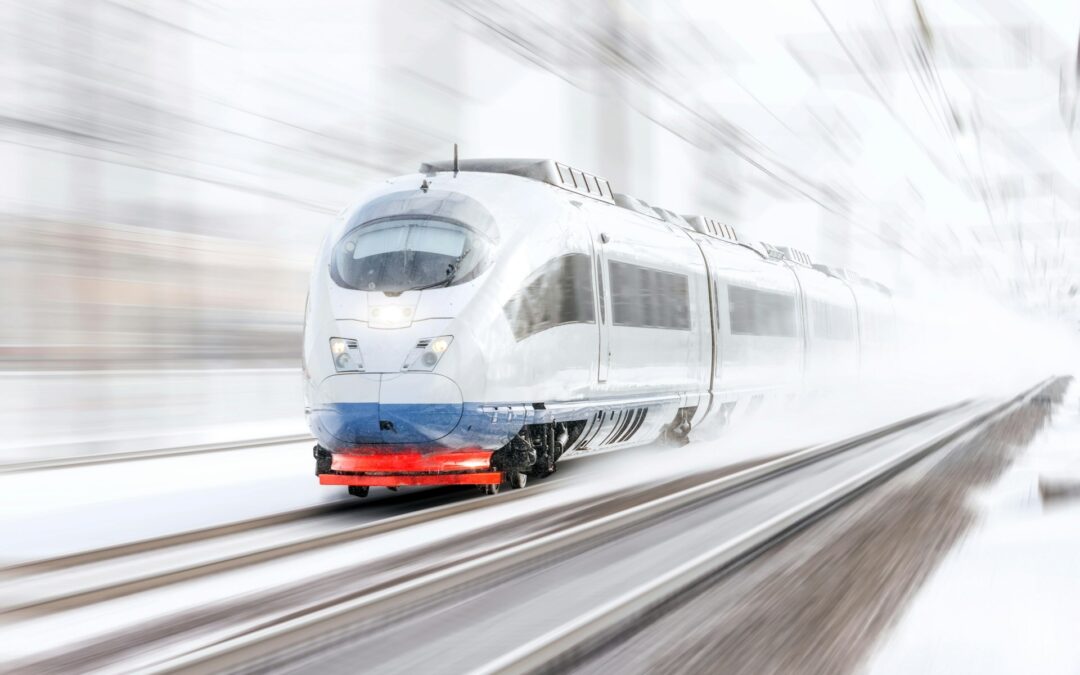
Winter in Denver doesn’t just bring cold air and snowfall. It changes how nearly everything moves, especially trains. As December rolls in, storms, slick rails, and freezing temperatures make commuting and transportation more challenging and unpredictable. This is where safety becomes a real concern, not just for everyday riders, but also for everyone who relies on these systems to get from one part of the city to another.
Train operation during winter takes extra caution, preparation, and awareness. Colorado’s weather shifts quickly, which can affect how trains run through both Aurora and the Denver metro. These disruptions can raise the chances of delays or worse, serious accidents. For anyone traveling by train this season, it helps to understand what kinds of problems weather causes and what you can do to stay safe during your daily trip.
Weather-Related Challenges For Train Operations
Cold weather is more than just uncomfortable for passengers. It’s tough on the trains themselves. When snow builds up on tracks or ice forms on power lines, that messes with how a train runs and reacts. Even a thin patch of ice can affect braking. Combine that with poor visibility from blowing snow or freezing rain, and the risks climb quickly.
Here are a few challenges trains face during cold weather:
– Ice on the tracks makes it tougher for trains to stop
– Snow buildup can block track switches and signal systems
– Bitter cold may make steel tracks brittle and prone to cracking
– Strong winds push against moving trains, especially in open areas
– Fog and snow limit conductor visibility during operations
These factors not only lead to delays but also increase the chance of accidents. One scenario that happens often around December is power lines freezing during a snowstorm. When electricity cuts out, signaling systems shut down. That can create confusion and even raise the risk of a collision if operators cannot communicate effectively.
Winter conditions also slow down emergency crews. Icy roads can delay both cleanup and rescue efforts. In past years, delays in getting first responders to the scene have made difficult incidents more dangerous for everyone involved. That’s why cities like Aurora and Denver put more safety checks in place when the temperature drops.
Preventative Measures Taken By Train Operators
Train companies and local departments don’t wait for snow to cause trouble. They prepare early and stay active during storms to reduce risks. Many of them have plans in place tied to weather changes, with crews working throughout the night and early morning hours.
Here’s a look at common safety steps taken by train operators in Denver during winter:
– Heating equipment is installed on switches to prevent freezing
– Crews in inspection vehicles remove ice and snow from the track
– Sand is dropped on tracks to improve traction for wheels
– Local weather stations help operators track changing conditions
– Warning systems go through more frequent checks as storms approach
On top of this, train crews go through winter-specific training. They’re taught to adjust speed, braking, and routines to fit slick or frozen tracks. In newer systems, sensors on the rails help flag strange vibrations or motion shifts during snowstorms. These alerts help teams step in quickly before something more serious happens.
All these actions help prevent sliding, stalling, or slow responses that could lead to a crash. The average rider might not see these behind-the-scenes steps, but they make a big difference. This kind of work is what helps keep train systems moving, even when the weather hits hard.
Passenger Safety Tips For Winter Travel
While train operators may do all they can, passengers still have a role in staying safe. Traveling in December or January around Aurora or Denver takes more effort and patience than in fair weather. Delays happen more frequently, platforms freeze fast, and the crowds can grow in enclosed spaces while people wait.
To lower your risk while commuting, keep these passenger safety tips in mind:
– Dress in layers, and be sure to wear gloves and slip-resistant boots
– Plan for extra commuting time, especially during storms
– Walk slowly and stay aware of slick steps and handrails
– Track alerts or delays using station boards or transportation apps
– Listen for platform and onboard announcements
– Move cautiously when boarding or stepping off, especially with snow buildup
During rough weather, it’s best to sit down when possible or at least grip a handrail if standing. Quick stops or jerky motions happen more often on slick rails. And if your train gets delayed, wait for help instead of getting out unless directed by staff. Leaving the train during a snowstorm or in icy areas could put you in even more danger.
One Denver commuter mentioned that she always keeps a phone charger and small flashlight in her bag during the colder months. When she was stuck on a train during a snow delay last year, that flashlight helped her navigate dark aisles when lights flickered. Simple tools like that can make a difference during emergencies or even just long delays.
Legal Assistance And Rights For Train Accident Victims
Winter accidents are messy. Hazards like ice and wind aren’t always enough to excuse poor safety decisions or lack of maintenance. A passenger still has legal rights, even if the weather played a part in an accident.
Under Colorado law, those riding public or private rail systems that suffer preventable injuries may be able to claim damages. That includes trips, slips, crashes, and sudden stops that should have been prevented with proper care—even in snow. When companies or crews don’t clear ice, repair damaged tracks, or keep equipment operating safely, it may lead to fault under personal injury law.
Different factors can lead to shared responsibility too. Sometimes a city, contractor, and rail operator may all handle different parts of upkeep or repair. That can make fault harder to place without help. Understanding who is liable in your situation isn’t always clear, especially during storms when things happen fast.
Having a local lawyer who knows how personal injury claims work in Aurora and Denver is a major advantage. It’s not just about paperwork. Colorado claims have timelines, evidence needs, and steps that must be followed. Miss something early, and your claim could be rejected or delayed.
If you’re hurt in a train accident and feel that the conditions or response were handled poorly, don’t navigate it alone. Getting help from experienced railroad accident lawyers means your case gets the right attention and moves forward with confidence.
Stay Alert and Prepared This Colorado Winter
Staying safe while using Denver area trains in winter takes more than luck. From the actions of transportation workers to the decisions made by riders, everyone impacts how well winter systems hold up. The cold season may bring harsh storms and icy days, but that doesn’t mean train travel has to be risky.
Know what kind of issues could affect your route. Take small steps each day to protect yourself. And if a bad situation does unfold, know that your rights don’t vanish just because it snowed. You still deserve safe transport and fast response, no matter what the weather looks like outside.
If you were injured in a train accident due to unsafe winter conditions, getting clear legal support can make all the difference. To understand your options and protect your rights under Colorado law, speak with our experienced railroad accident lawyers in Aurora. Cave Law is ready to help you take the next step forward with confidence.